January 28 2026
MIDI administerability (MIDI Rant)/ 3D processing; (initially a series of texts to a collaborator);[this made me goo]
 .
This is still on the subject of the [Roland 3D processor]
.
This is still on the subject of the [Roland 3D processor]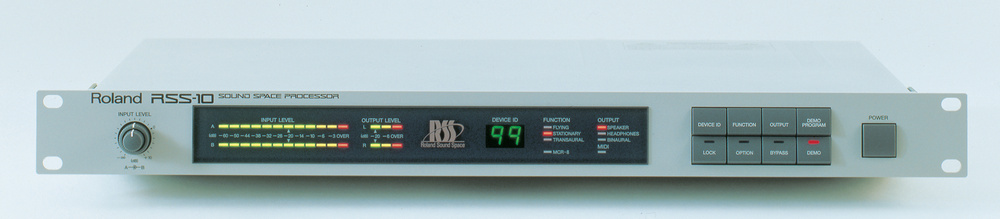 ;
the idea that you can store the positional data via MIDI is so cool.
Since [you is]
;
the idea that you can store the positional data via MIDI is so cool.
Since [you is] my buddy and all, I'll preach the gospel of MIDI to you;
MIDI has 16 channels, where 127 different notes exist on each. Through MIDI, you can control patch settings on almost anything that supports MIDI,
which is quite a lot. You can go from overdrive to clean on a [Line 6 POD Pro]
my buddy and all, I'll preach the gospel of MIDI to you;
MIDI has 16 channels, where 127 different notes exist on each. Through MIDI, you can control patch settings on almost anything that supports MIDI,
which is quite a lot. You can go from overdrive to clean on a [Line 6 POD Pro]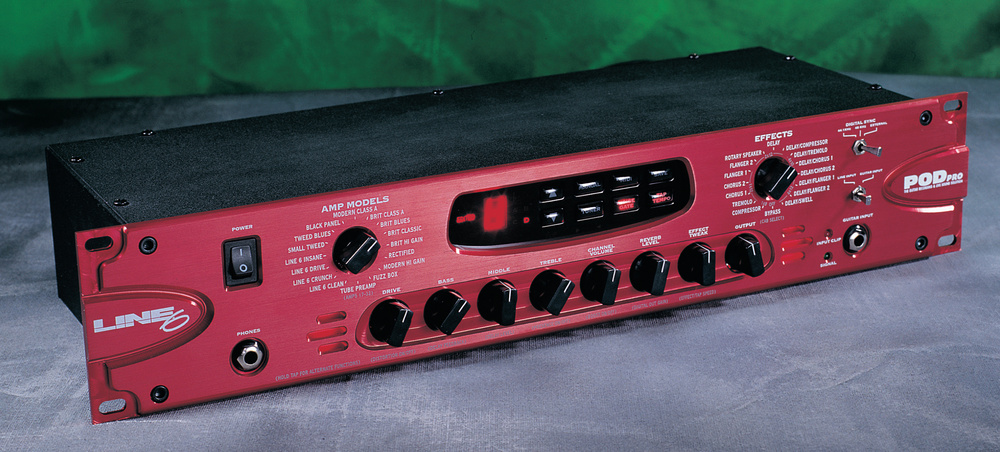 using a MIDI keyboard. Keyboards are practical because they tend to
allow you to manually go to what CC channel you need to control whatever it is you want to, and the hypothetical limit to the amount of things
you can change is 127 x 16 = 2032. But whenever you get knee deep into the weeds of everything, a keyboard (which requires manual action on your
part to program settings) begins to make less sense than a rackmount MIDI utility like an
[Alesis Datadisk]
using a MIDI keyboard. Keyboards are practical because they tend to
allow you to manually go to what CC channel you need to control whatever it is you want to, and the hypothetical limit to the amount of things
you can change is 127 x 16 = 2032. But whenever you get knee deep into the weeds of everything, a keyboard (which requires manual action on your
part to program settings) begins to make less sense than a rackmount MIDI utility like an
[Alesis Datadisk]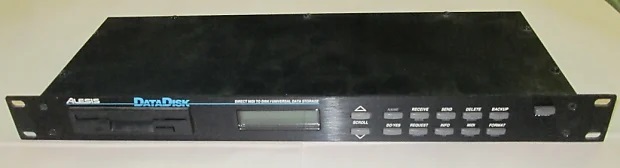 . So, having three Datadisks and
a [4-way merger of MIDI]
. So, having three Datadisks and
a [4-way merger of MIDI]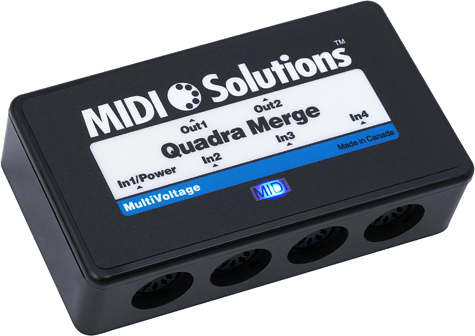 [din 5 interfaced]
 signals, I can use these datadisks as individual and overlappable controllers. One datadisk I could
dedicate to configurational settings (say, if I want to go from an atmosphere of effects which lend itself to dense reverb and delay laden
shoegaze, to something with only the most basic environmental processing, say, a compressor/limiter or mastering processor (to squeeze the
netted cotton candy wavforms of drums, bass, guitar and vocals into a sonic meatstick which can then be zoomed in upon with limiting to be loud
as shit). There exist [MIDI controllable mixers]
signals, I can use these datadisks as individual and overlappable controllers. One datadisk I could
dedicate to configurational settings (say, if I want to go from an atmosphere of effects which lend itself to dense reverb and delay laden
shoegaze, to something with only the most basic environmental processing, say, a compressor/limiter or mastering processor (to squeeze the
netted cotton candy wavforms of drums, bass, guitar and vocals into a sonic meatstick which can then be zoomed in upon with limiting to be loud
as shit). There exist [MIDI controllable mixers]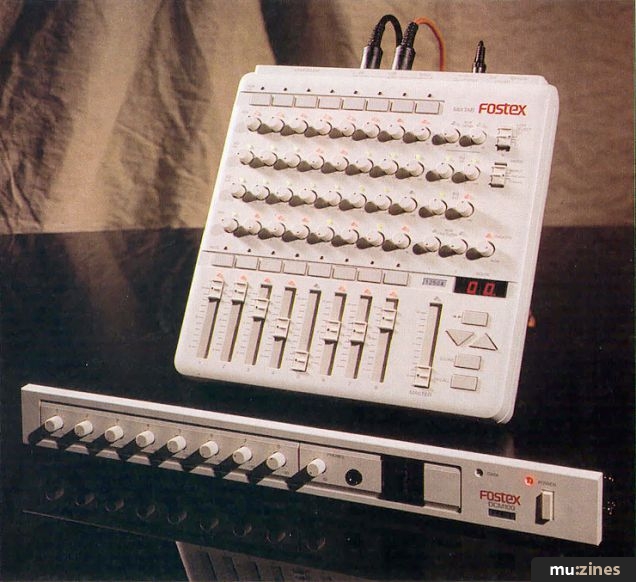 , so you can automate volumes with such a system; depending on the flexibilities of the articles
you administer over MIDI, you can have a crew of people's obligations written to a single sub-1 Mb floppy disk. And what began this conversation
was an ammendment to the enablement to automate channel volume architectures via the Fostex unit I mentioned, in the automation of positioning of
an otherwise unmaneuverable resource across the stereographic field.
, so you can automate volumes with such a system; depending on the flexibilities of the articles
you administer over MIDI, you can have a crew of people's obligations written to a single sub-1 Mb floppy disk. And what began this conversation
was an ammendment to the enablement to automate channel volume architectures via the Fostex unit I mentioned, in the automation of positioning of
an otherwise unmaneuverable resource across the stereographic field.
I think I found out how to articulate my fixation on older technology as it relates to music equipment; You know how I'm archiving years of digital landmarks and footnotes alike, trying to scoop up the nuances and crumbs which cumulatively add much to the completeness of a record (not a music record, just a document of a time's labors, which for me have been a music record lol); "old" production utilities like [multitrack tapes]
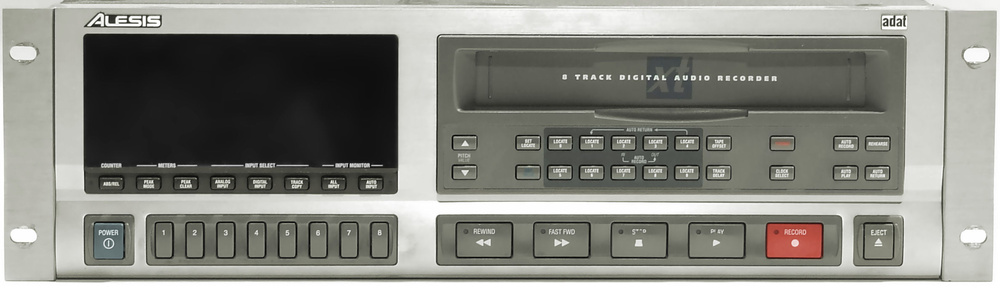 and recorders and MIDI devices each have the potentials for documentation, storage, secure holding. It used to be a
consideration of electronic musical equipment (and computers too) manufacturers to enable the exportability of works - this is the principle which
made electronic instruments and home computers attractive to begin with; to 'remember' things for us, to empower us to be more productive, to make
nuts out of our labors which we could bury and return to. Well, now, not only do our computers and DAW softwares cheat us of the ability to archive
and segregate (part-out) aspects of performances and productions to be used external to them (something which has changed the landscape of
musicianship in a negative way), they've changed the objective of being a musician from being creative individually to pursuing a standard. A
standard that has nothing to do with ability or profundity, but adherences to cultural stereotypes (trap music, being a gangsta; slam, having
scree bree vocals and the same ass indochinese backing tracks and guitars, all seemingly tuned to the convention ~A Standard - and sealed in the
same celephane as other subscribers to Image-Line or Reaper). When this change occurs, the motivations for becoming a musician are corrupted, and
you get people who possess pay-to-win mentalities and see nothing wrong with it.
Hardware, while expensive to accrue the volume of it to where it can replace DAWs and exceed their affordings, is something which you, in theory and
mostly in practice, buy once and possess infinitely. With DAWs, plugins disappear - updates at operating system and software vendor levels constantly
threaten the sustain of your musical works.
But in essence, where I'm going with this is with MIDI, a now archaic implement, you essentially had controls over your equipment and, if adopted
widely enough, your productivity. With MIDI (and integrated sequencers and samplers) I can store drum sequence data and change drum sounds with
the changing out of a thin piece of plastic; no meticulous menu diving, and with Braille, be able to do it blindfolded. Alternatively, you can
do the other end of the same coin, and switch out sequence disks which store the plotting information for the percussion backing tracks - perhaps
you could have different disks with incrementally different programming for specific songs, or as I would, disks for every (guitar driven) project
I've ever done, and humour myself with the running through (practice, but also performance) of these vastly varying and time-separated compositions -
through the same drum samples.
With MIDI (and integrated
mixers and effects units), I can write and interchange series of effects, level and pan configurations with the ejection and insertion of a
different
thin piece of plastic. MIDI is the entabulation of action, and without it you have nothing.
and recorders and MIDI devices each have the potentials for documentation, storage, secure holding. It used to be a
consideration of electronic musical equipment (and computers too) manufacturers to enable the exportability of works - this is the principle which
made electronic instruments and home computers attractive to begin with; to 'remember' things for us, to empower us to be more productive, to make
nuts out of our labors which we could bury and return to. Well, now, not only do our computers and DAW softwares cheat us of the ability to archive
and segregate (part-out) aspects of performances and productions to be used external to them (something which has changed the landscape of
musicianship in a negative way), they've changed the objective of being a musician from being creative individually to pursuing a standard. A
standard that has nothing to do with ability or profundity, but adherences to cultural stereotypes (trap music, being a gangsta; slam, having
scree bree vocals and the same ass indochinese backing tracks and guitars, all seemingly tuned to the convention ~A Standard - and sealed in the
same celephane as other subscribers to Image-Line or Reaper). When this change occurs, the motivations for becoming a musician are corrupted, and
you get people who possess pay-to-win mentalities and see nothing wrong with it.
Hardware, while expensive to accrue the volume of it to where it can replace DAWs and exceed their affordings, is something which you, in theory and
mostly in practice, buy once and possess infinitely. With DAWs, plugins disappear - updates at operating system and software vendor levels constantly
threaten the sustain of your musical works.
But in essence, where I'm going with this is with MIDI, a now archaic implement, you essentially had controls over your equipment and, if adopted
widely enough, your productivity. With MIDI (and integrated sequencers and samplers) I can store drum sequence data and change drum sounds with
the changing out of a thin piece of plastic; no meticulous menu diving, and with Braille, be able to do it blindfolded. Alternatively, you can
do the other end of the same coin, and switch out sequence disks which store the plotting information for the percussion backing tracks - perhaps
you could have different disks with incrementally different programming for specific songs, or as I would, disks for every (guitar driven) project
I've ever done, and humour myself with the running through (practice, but also performance) of these vastly varying and time-separated compositions -
through the same drum samples.
With MIDI (and integrated
mixers and effects units), I can write and interchange series of effects, level and pan configurations with the ejection and insertion of a
different
thin piece of plastic. MIDI is the entabulation of action, and without it you have nothing.MIDI also is very appealing due to the range of controllers; you have MIDI piezoelectric pickups which turn your guitar or bass performance into musical data; you have MIDI violins but those are really really scarce; you of course have electronic drum kits which are commonly MIDI integrated, you have MIDI instruments like piano keyboards, bass pedals (the thing I have we were going to appropriate for bassdrops), MIDI wind instruments, and there's sidechain setups which allow you to take voltage signals and convert that into MIDI information, opening the door for next to anything to be MIDI-applicable. Contact microphones into a MIDI utility could render soda cans viable MIDI objects. Its the most powerful tool that only recently seems to have been abandoned. Another L for retarded contemporary music making convention.
January 5 2026;
Reorganization; I unhooked a great deal of cabling and pushed a pillar of rack stuffs from the center of the room into a corner of it, freeing up space but also resulting in a loss of immediate control from the vantages that aren't sat in front of the compositional tools (perhaps a positive side effect).
January 5 2026 (Monday/Sunday);
Homebrew DIY ethos; [antalaxfreehand]
January 4 2026 (Sunday);
Buying a cab; [cratecabinet]
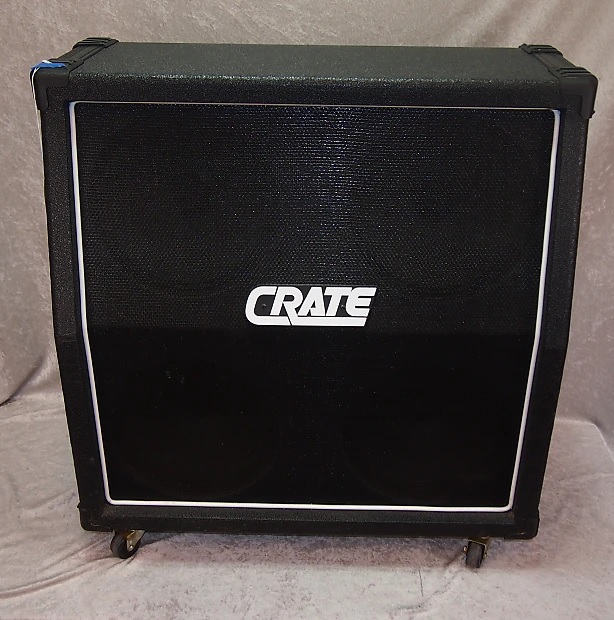 David and I hung out for the first time in a while yesterday (writing this on Monday), and utilizing the truck, he bought and we hauled a 4x12 Crate
cabinet from MGR to the jam house. I have a plan to measure this cabinet and compare it with the dimensions of other cabinets; if it happens that this
cab is a standard size, I'll likely use it in a live-in roadcase for playing shows with Cremated and Slow Sliced.
David and I hung out for the first time in a while yesterday (writing this on Monday), and utilizing the truck, he bought and we hauled a 4x12 Crate
cabinet from MGR to the jam house. I have a plan to measure this cabinet and compare it with the dimensions of other cabinets; if it happens that this
cab is a standard size, I'll likely use it in a live-in roadcase for playing shows with Cremated and Slow Sliced.January 2 2026;
Integrating the Yamaha MV802 pair; [yamahamv802]
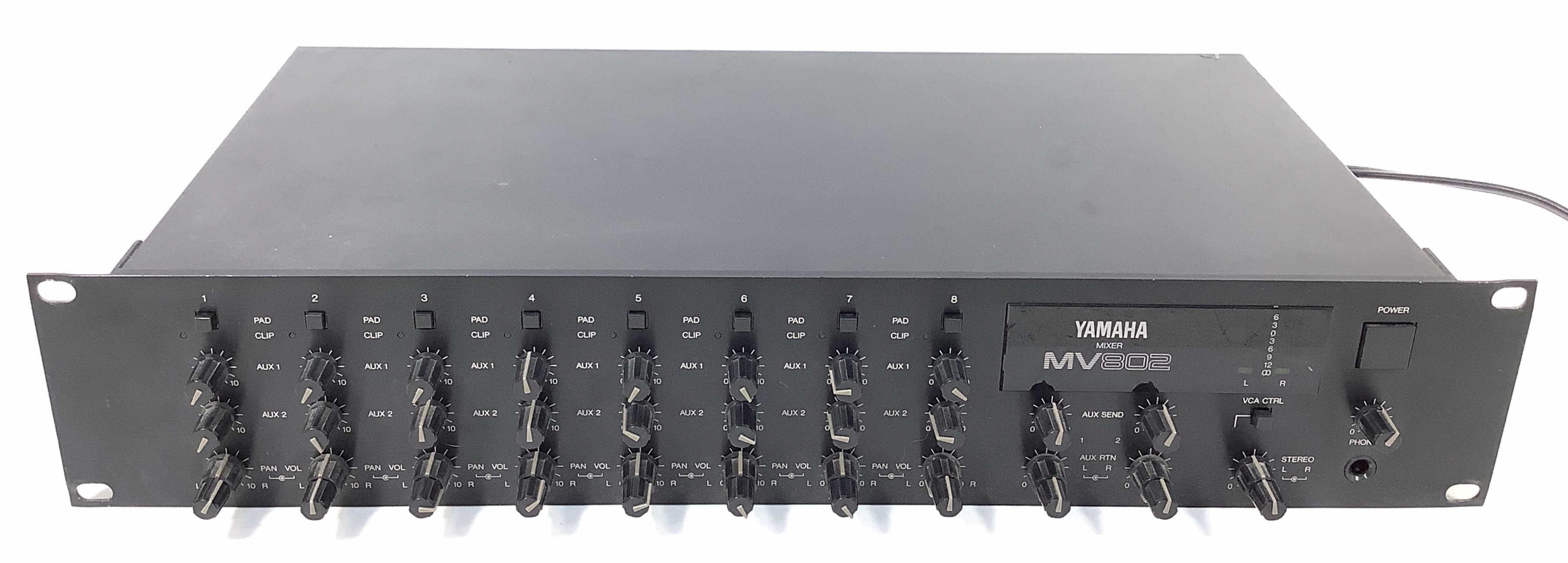 I've had the desire to integrate the pair of Yamaha MV802 rack mixers I obtained from Music Go Round since it occured to me that rack mixers of the
variety didn't have to be the end of the chain, so to speak; they could be treated as busses, and a scenario where such decentrolysis can
occur from a sound aggregate (or three) is once which resembles mine - with matrixers and perhaps an analog patch panel for configuration changes,
fx loops, mixer inputs and outputs can populate real estate on one matrix (say six potential inputs out of a possible sixteen allocated to sound
sources, and the remaining ten channels can be split up 4:3:3 (3 channels on KAWAI MX8SR, 1 reserved for loop; 2 channels on YAMAHA MV802 (1), 1
reserved for loop; and another 2 channels on Yamaha MV802 (2), 1 reserved for loop. This would make utilizing different effects processors concurrently
more intuitive, as instead of needing to decide between them for one connected loop (though I believe each of the three mentioned articles have two
distinct fx loops), you can do three or a hypothetical 6 if some repartitioning to addresses were done.
I've had the desire to integrate the pair of Yamaha MV802 rack mixers I obtained from Music Go Round since it occured to me that rack mixers of the
variety didn't have to be the end of the chain, so to speak; they could be treated as busses, and a scenario where such decentrolysis can
occur from a sound aggregate (or three) is once which resembles mine - with matrixers and perhaps an analog patch panel for configuration changes,
fx loops, mixer inputs and outputs can populate real estate on one matrix (say six potential inputs out of a possible sixteen allocated to sound
sources, and the remaining ten channels can be split up 4:3:3 (3 channels on KAWAI MX8SR, 1 reserved for loop; 2 channels on YAMAHA MV802 (1), 1
reserved for loop; and another 2 channels on Yamaha MV802 (2), 1 reserved for loop. This would make utilizing different effects processors concurrently
more intuitive, as instead of needing to decide between them for one connected loop (though I believe each of the three mentioned articles have two
distinct fx loops), you can do three or a hypothetical 6 if some repartitioning to addresses were done.Obstactles to immediate implementation: Quantity of 5-foot instrument cables onhand.
December 21 2025;
Realistic forecast for the studio;
 Speaking frankly about a goal is not something I do often - while I write at length about plans
and aspects of the greater effort, the greater effort itself is rarely appraised globally, and perhaps as a means to prevent moral damage. It is
true that a resourceful artist with a laptop computer and rudimentary DAW can create more compelling art than I can with a full room of studio
electronics - this factual statement isn't one that weighs me down, partly because I was once a utilitarian musician as well and recall the parameters
of creating with reduced articles in that way. Knowledge is ultimately what I identify as an obstacle which inhibits the most of laptop producers
juxtaposed with those who immerse themselves in hardware; I'll quickly mention that I'm completely neophytic in many respects of audio engineering
and sound design, but I'll accept that I do have a deeper understanding of the influences of conditions of a working environment than a laptop
producer might. I think internal hard drives are a distinctly obscuring medium to be constrained to working with for musicians of any pedigree,
unless they're FTP wizards and are savvy with mirroring and cloud storage, which isn't that many - the ability to hold materials in your hand
is one that I don't think is a trivial or superficial advantage over the alternative, because with the tactile component you perceive the
content differently. If you only create, experience and meter your works through the digital medium, inside the box of a monolithic operating
system and its speakers, or if you incorporate headphones then the box is a monolithic operating system and its RealTek audio device driver and
your choice of headphones, then your perspective of these materials is, from my experience, anaerobic and sterile, hypothetical. It is something
which is stored in a 12 inch thick steel walled safe and only interfaceable inside the safe - emailing the resources was an initial expansion
which introduced a notion of exportability to the little songs I was making around 2018 or so. Before then, it was very much limited to the difference
between laptop speakers and studio monitors (I may have gone backwards here); a cavernous difference for sure, but I always was more interested in
achieving a pleasing balance for the lesser quality reference, considering those were what I'd be able to take with me. Having been more guitar-
infatuated at that time, most components of the recordings I did wouldn't vary much across mediums; having a significant presence in the midrange
as well as the high end, the central focus of such recordings would cut through pleasingly. It wasn't until much later that I'd handle anything which
demanded careful consideration for reference due to inaudible frequencies or the like - in fact, I'd point to my introduction to Memphis rap / trap /
phonk music as the moment where I begun to be less utilitarian and more embracing of features. The sine wave bass that is a signature of the style
inspired me to familiarize myself with the frequency spectrum of cumulative sound (a mixture or "mix"), as these frequencies were not organically
attainable through the conventions of guitars and acoustic drums and instead had to be a deliberate incorporation. And having never been a fundamentalist
respecting sonics, already being quite the proponent of utilities like drum machines, I fell headlong into enthusiasm for leveraging heavily the
embellishments of a sampler or several, and effects units. It truly was a joint influence of industrial (rock/metal) music and the grittier "underground"
flavor of Memphis hip hop that informed the trajectory I've followed since mid 2022, amassing synthesizers, drum machines, obsolete digital guitar
processors and computers simply for the chance these could be integrated into a centralized (everything is centralized when you are the proprietor of
the objects) production environment. (Brief aside - the ethical differences between a rock band, playing the notes and creating the sound performatively
versus a hip-hop or electronic situation, oftentimes doing little performance and approaching the music as a passive portrait (or device limitation-
moulded precipitation of man-appliance intercourse) were shaking. At the time I'd first heard Project Pat, my conception of a producer was nonexistent.
While I knew that hip hop "beats" were not physically played, I didn't have an understanding or frame of reference for anything that was done to
synthesize a hip hop piece of music. And to discover that it wasn't far removed from the workflows of, say, a Wax Trax!-era industrial rock band -
what with the huddling around a drum machine and meticulously crafting something stimulating through the terse menus of a Kawai R50e, or in DJ Paul
or Juicy J's case - an E-MU SP1200, or in DJ Sound's case - a Boss DR660, or in Mortician's case - a Boss DR550 MKii, or in Godflesh's case - an Alesis
HR16 and later an Alesis SR16, etc. etc. etc. you get the point. It was my acquaintance with hip hop music which drilled into me the role that the
material plays - it is not only the creativity of the artist which matters, but also the tools that are at their disposal. This is something I clearly
took to heart, as I've become a flagrant materialist and have dedicated ample resources simply toward collecting the articles utilized by the lot of
personally impactful artists I've observed. The interest, while inimmediate, is to eventually pull from such articles by whatever means (sampling the
sounds of inhibitively terse figures in order to more efficiently use them, "play ball" with the rigidities of certain setups as a tribute to the
procedure (Atari 1040ST/Cubase), etc.). What this stroll through the travelled pathways of yesterday has made me realize too is some relevance technology
has to my
Speaking frankly about a goal is not something I do often - while I write at length about plans
and aspects of the greater effort, the greater effort itself is rarely appraised globally, and perhaps as a means to prevent moral damage. It is
true that a resourceful artist with a laptop computer and rudimentary DAW can create more compelling art than I can with a full room of studio
electronics - this factual statement isn't one that weighs me down, partly because I was once a utilitarian musician as well and recall the parameters
of creating with reduced articles in that way. Knowledge is ultimately what I identify as an obstacle which inhibits the most of laptop producers
juxtaposed with those who immerse themselves in hardware; I'll quickly mention that I'm completely neophytic in many respects of audio engineering
and sound design, but I'll accept that I do have a deeper understanding of the influences of conditions of a working environment than a laptop
producer might. I think internal hard drives are a distinctly obscuring medium to be constrained to working with for musicians of any pedigree,
unless they're FTP wizards and are savvy with mirroring and cloud storage, which isn't that many - the ability to hold materials in your hand
is one that I don't think is a trivial or superficial advantage over the alternative, because with the tactile component you perceive the
content differently. If you only create, experience and meter your works through the digital medium, inside the box of a monolithic operating
system and its speakers, or if you incorporate headphones then the box is a monolithic operating system and its RealTek audio device driver and
your choice of headphones, then your perspective of these materials is, from my experience, anaerobic and sterile, hypothetical. It is something
which is stored in a 12 inch thick steel walled safe and only interfaceable inside the safe - emailing the resources was an initial expansion
which introduced a notion of exportability to the little songs I was making around 2018 or so. Before then, it was very much limited to the difference
between laptop speakers and studio monitors (I may have gone backwards here); a cavernous difference for sure, but I always was more interested in
achieving a pleasing balance for the lesser quality reference, considering those were what I'd be able to take with me. Having been more guitar-
infatuated at that time, most components of the recordings I did wouldn't vary much across mediums; having a significant presence in the midrange
as well as the high end, the central focus of such recordings would cut through pleasingly. It wasn't until much later that I'd handle anything which
demanded careful consideration for reference due to inaudible frequencies or the like - in fact, I'd point to my introduction to Memphis rap / trap /
phonk music as the moment where I begun to be less utilitarian and more embracing of features. The sine wave bass that is a signature of the style
inspired me to familiarize myself with the frequency spectrum of cumulative sound (a mixture or "mix"), as these frequencies were not organically
attainable through the conventions of guitars and acoustic drums and instead had to be a deliberate incorporation. And having never been a fundamentalist
respecting sonics, already being quite the proponent of utilities like drum machines, I fell headlong into enthusiasm for leveraging heavily the
embellishments of a sampler or several, and effects units. It truly was a joint influence of industrial (rock/metal) music and the grittier "underground"
flavor of Memphis hip hop that informed the trajectory I've followed since mid 2022, amassing synthesizers, drum machines, obsolete digital guitar
processors and computers simply for the chance these could be integrated into a centralized (everything is centralized when you are the proprietor of
the objects) production environment. (Brief aside - the ethical differences between a rock band, playing the notes and creating the sound performatively
versus a hip-hop or electronic situation, oftentimes doing little performance and approaching the music as a passive portrait (or device limitation-
moulded precipitation of man-appliance intercourse) were shaking. At the time I'd first heard Project Pat, my conception of a producer was nonexistent.
While I knew that hip hop "beats" were not physically played, I didn't have an understanding or frame of reference for anything that was done to
synthesize a hip hop piece of music. And to discover that it wasn't far removed from the workflows of, say, a Wax Trax!-era industrial rock band -
what with the huddling around a drum machine and meticulously crafting something stimulating through the terse menus of a Kawai R50e, or in DJ Paul
or Juicy J's case - an E-MU SP1200, or in DJ Sound's case - a Boss DR660, or in Mortician's case - a Boss DR550 MKii, or in Godflesh's case - an Alesis
HR16 and later an Alesis SR16, etc. etc. etc. you get the point. It was my acquaintance with hip hop music which drilled into me the role that the
material plays - it is not only the creativity of the artist which matters, but also the tools that are at their disposal. This is something I clearly
took to heart, as I've become a flagrant materialist and have dedicated ample resources simply toward collecting the articles utilized by the lot of
personally impactful artists I've observed. The interest, while inimmediate, is to eventually pull from such articles by whatever means (sampling the
sounds of inhibitively terse figures in order to more efficiently use them, "play ball" with the rigidities of certain setups as a tribute to the
procedure (Atari 1040ST/Cubase), etc.). What this stroll through the travelled pathways of yesterday has made me realize too is some relevance technology
has to my Having established the ethics which underscore the hypotonicity of my article intake, and having done the same to illustrate the voluntary resignation from productivity this decade, I can proceed with forecasting the further fleshing out of this environment the first of these next four years. I mention resignation because its the period between now and me late into my 26th year, a time in most musicians' lives that they allocate, maybe subconsciously, to preparation. And while it is somewhat disheartening to see peers achieve without this incubatory step, I understand that I am not them, and vice versa. I pride myself in individualism, and while it causes me no shortage of grief, I will persist this - it isn't so much a decisive avenue but a mandatory one given that every experience until this point has informed my travel. I'm intensely anticompetitive in ways, and while it isn't an appropriate or respectable position in every situation, in those which don't demand some acceptance of scrutiny and comparison, I avoid it. Artistry is an area that is hugely competitive, and it is in part because of this fact that I don't describe myself as such - not only does it telegraph hubris in a sense, that you consider your output "art", but its also so oft ridiculed because of its increasing unviability. I needn't mention the proliferation of AI and its death song for creatives, but we understand that all people are equally threatened. Celebrities with sex appeal are obsolete, as their draw has been sussed out algorithmically and offered on-demand by any(most) generative AI tools. Manual labor has become consistently more automated since the dawn of technology, so both classes are jeopardized. So what will become of humanity? Who knows, which is the most salient argument for (cautiously) pursuing the goals which you possess, and aren't superimposed upon you.
December 11 2025;
Purchases; [axcessables22u]
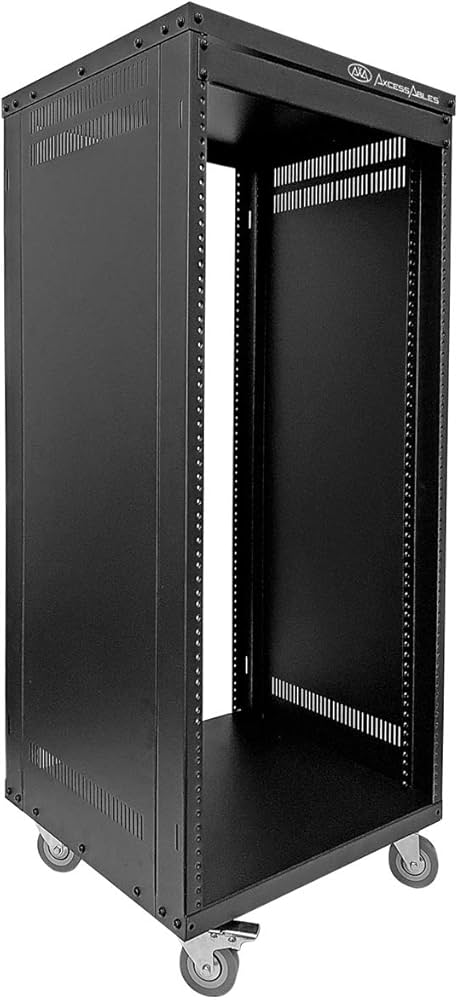 , [knoxrs16x16ub]
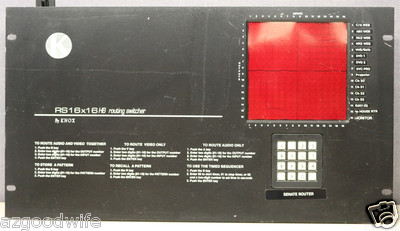 [knoxrs16x16]
December 6 2025;
Power routing; With the shelving demand being fully provisioned in the present, with the somewhat clever occurence to use traditional in-facing cantilever trays backwards, I am now applying this to situations which would otherwise have ceased to exist on account of the hopeless ergonomics without. With a proper outward shelf, a desktop piece of hardware like a drum machine can be elegantly set upon and interfaced with in a functional and efficient way - what boosts this however is the coupling of this concept to that of accessibilized connections - single unit rack panels which house the various connections demanded by particular hardware pieces. What I thought of today when pondering how to integrate my Kawai R-50e was keystone barrel jack couplers; these would, with the due degree of caution, render set up and teardown between interchanging shelftop articles effortless. What I picture is, amid a twelve space D Series panel, eight or nine keystone/neutrik adaptors and within these barrel jack couplers with identifiers labelled for the specific power supplies attached at the rear. With each of the possible shelftop occupiers' power supplies at the ready and grouped in this way, a simple interconnect barrel PSU lead is all that is needed (or, a labelled small assortment of properly rated interconnects) for the ultimate in access and ergonomics. As for the other three spaces, a pair of 1/4in couplers and perhaps one XLR fixture would round out the exporting of signal.
November 30 2025;
Power routing; A discussion about the progression of this concept into a system I use now; One year ago, I was still firmly in the midst of a productive chapter with my music. Being demos strictly, I'd found a confidence in this distorted black metal trope carryover into general avant garde and extreme metal. Essentially, I discovered about myself in 2021 that I had a profound anxiety about letting other people down in a collaborative structure like a band - perhaps it owes to the hyping we all put on 'being in a band' as teens, and the culture of perfectionism which moulded how we approach these things. In hindsight, with roughly six years of "experience" with the process of conceiving a musical idea with 'real' parameters (not simply dreaming of having material prospectless, but being in the possession of reactants), I feel that I can speak to a few growths, missteps and cautions I've experienced, either at the helm of an effort, or laboring away in a support role. The social side of an artistic collective is every bit as toothy as a romantic partnership. There is no concise or globally prescient advice I can give on this topic other than mentioning that I am extremely guarded about such things in the present; not out of some distrust or weariness of being betrayed - its similar to a wince, the attitude I have about collaborations. Uncomfortable or unbecoming experiences in the past have created this reflexive expression on my part, and while I will admit that I have completely failed at passing muster as a creative individual thus far, it is where my security lies. The other contribution is that collaborations and unions tend to work when the fun element is high; this is not to be conflated with 'success' or its synonyms; the chiefestly effective lubricant of these gears is 'fun'. Fun exhausts whenever the trajectory is hinted to decline or stagnate - this is where the technology end of the conversation enters. The theme of this discussion is targeted power supply, and I've succeeded in wandering this far off the reservation, in the introductory paragraph no less.
The studio environment I've curated is a product of a few things; impulsivity, stubbornness, contrarianism, patience, integrity, perserverence, compulsivity, mania - each of these are true. It began like it so often does, with an audio interface, microphone and some studio monitors. Before this material leap in 2018, I'd already accrued a few important articles, such as a few guitars, amps, a laptop - I was a hobby guitar player and did little else in my free time than learn songs, improvise riffs with the supporting elements in my imagination, and crave a shell of contemporaries to round out the personnel of a conventional metal band.
Atari ST & Amiga 500 combination [atari1040stf]
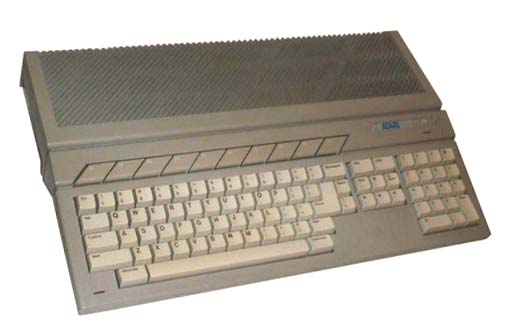 [commodoreamiga500]
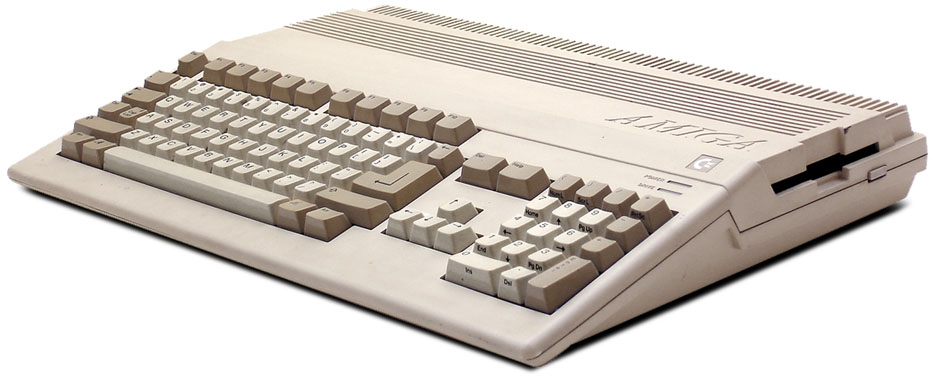 Commemorating the second anniversary of taking the plunge on ordering an Atari ST after being
intrigued by its unitarism and use by Richard D James, of whom I was a listener then - I am soon to dot the i of this sequential stroke. It took
me six months to buckle down and buy a second ST (December 2023-June 2024) after determining that the initial unit I'd bargained on was in an
operationally non condition, and not consciously, it has taken six months to gather the final of the auxilliary materials for the second music
computer investment (May 2025 - November 2025). The catalyst for investing in the Amiga was less directly informed as the Atari (having seen the
Atari in footage being used by the performer, read about it, etc.), as the motivation was sonic and not tied to the unit so much as it (Muslimgauze's
'Missing Tibetans') reminded me of tracker music, which leverages the OctaMED and ProTracker software for the Amiga platform.
Commemorating the second anniversary of taking the plunge on ordering an Atari ST after being
intrigued by its unitarism and use by Richard D James, of whom I was a listener then - I am soon to dot the i of this sequential stroke. It took
me six months to buckle down and buy a second ST (December 2023-June 2024) after determining that the initial unit I'd bargained on was in an
operationally non condition, and not consciously, it has taken six months to gather the final of the auxilliary materials for the second music
computer investment (May 2025 - November 2025). The catalyst for investing in the Amiga was less directly informed as the Atari (having seen the
Atari in footage being used by the performer, read about it, etc.), as the motivation was sonic and not tied to the unit so much as it (Muslimgauze's
'Missing Tibetans') reminded me of tracker music, which leverages the OctaMED and ProTracker software for the Amiga platform.The appeals are separate, but they also combine into one in that the two computers are of similar form factor and, in my view, are complimentary in their restrictions; the Atari ST is commonly used as a sequencer only on account of its absence of integrated audio, whereas the Amiga can be used as a sequencer (albeit commonly a different kind of sequencing) and as a primitive sampler, thanks to its endowment with RCA left and right channels. The individual appeals are to use the Atari ST in conjunction with a featured studio environment, and the Amiga more solitarily; this inspires some studio configuration which sees an Amiga situated on a stand or small desk, neighbored by a recorder (tape for the sake of imagery), with the Atari shoring an industrious scene of synths, effects and external samplers. The poster music forms are different for both machines, after all, but maybe a bit hyperbolically, Muslimgauze's track 'Missing Tibetans'' dance flavour juxtaposed with compositions which sounded maelstromically different every five years (1985 - 1990 - 1995 - 1999RIP) is an argument for integration of anachronistic tools and systems, and imploring you, their handler, to discover ways in which to make them work synergetically - if not for the same piece, then maybe an album. If not for an album, then maybe a discography.
November 29 2025;
Apple II
November 28 2025;
Programming Consulted stackoverflow.com about a point of knowledge absence, and was very quickly provided a helpful resolution to this problem of not knowing a manner in which to create a condition for random files to be selected as an audio src for my sitewide autoplayer. I am very appreciative and impressed by the prompt response.
Considerations;
November 24 2025;Voltage[linelevelvsmiclevel]
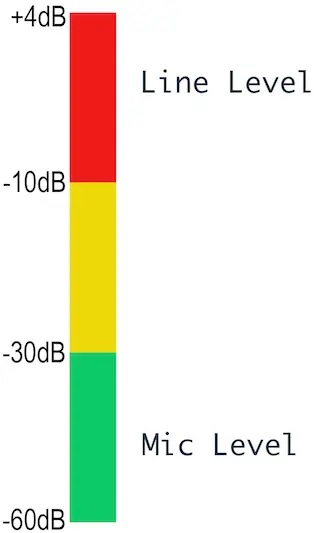 [knoxrs16x16]A consideration which entered my concern was of voltage levels of
line and instrument level signals, and how I might approach the routing of instrument level signals. For the time being, I will inject the instrument
level signals manually via traditional patchbay, but for the line signals, I will use the cumbersome but advanced nonetheless matrixer.
[knoxrs16x16]A consideration which entered my concern was of voltage levels of
line and instrument level signals, and how I might approach the routing of instrument level signals. For the time being, I will inject the instrument
level signals manually via traditional patchbay, but for the line signals, I will use the cumbersome but advanced nonetheless matrixer.Concepts;
November 23 2025;
Mixing technique [yamahamv802]
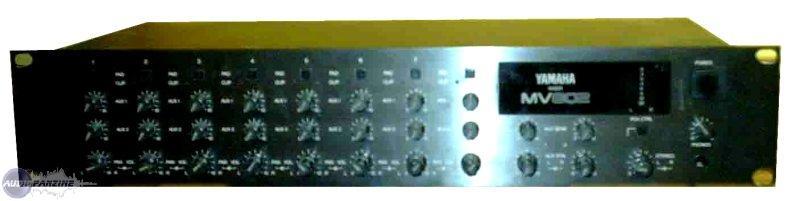 ; Having acquired two Yamaha MV802
rack mixers through Music Go Round last month, I've been in possession of them without knowing what to do with them. As anyone should, I appreciate
about them that they serve a purpose, and exist in rackable form - as professional products of today should as well. But, in deliberation about the
present matrixer-effects loop situation (details later), I realized that this pair of Yamahas could be used strategically as effect category submixer
stations or busses.
; Having acquired two Yamaha MV802
rack mixers through Music Go Round last month, I've been in possession of them without knowing what to do with them. As anyone should, I appreciate
about them that they serve a purpose, and exist in rackable form - as professional products of today should as well. But, in deliberation about the
present matrixer-effects loop situation (details later), I realized that this pair of Yamahas could be used strategically as effect category submixer
stations or busses.November 22 2025;Audio capture for recording purpose[digicartdrawers]
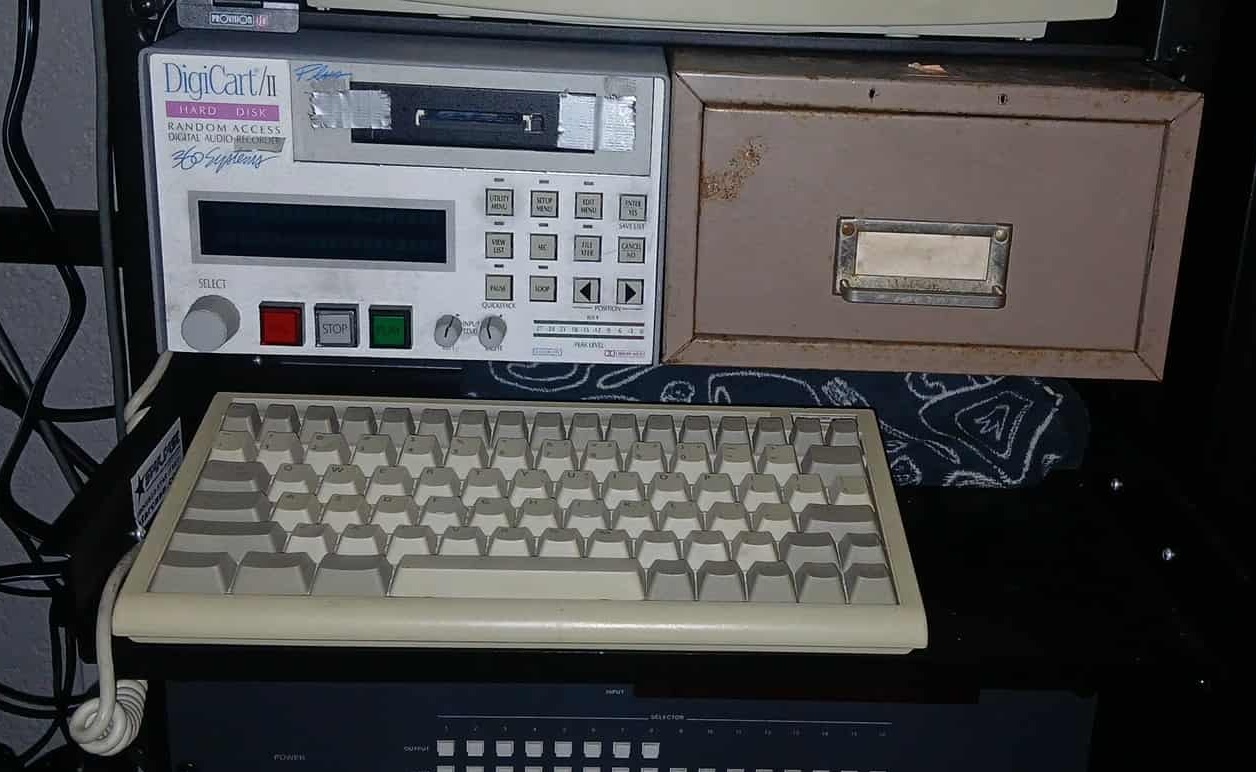 ; An observation
was made by me about two days ago (time of writing, morning of November 23) that the pair of DigiCarts and pair of brown utility drawers were the
same volumetric footprint. I've had these materials for at least six months, going on seven and eight, so its a bit of a late connection of proverbial
dots, but I welcome the arrival or occurence of any concept. Seeing the practicality of having a storage compartment for the media being recorded onto
and perhaps loaded from for potential backing tracks (The DigiCarts offer some seriously advantageous uses, but the problem is that I seem to think of
a new usecase for it/them daily), combining the recorder with the drawer and situating a keyboard drawer underneath results in a 5U footprint - certainly
not bad at all when you realize this can be installed into a cabinet you use as a computer terminal perse, and suddenly you've taken care of the need for
another keyboard drawer, and expanded the terminal's featureset to include a small storage drawer and a means of recording and recalling audio. If you
mentally change that 5U to a 6, this additional unit being a D series panel with XLR male and female couplers/adaptor plus the possibility of
accessibilizing
other connections, you square away even more amply necessary resources. The plan is to acquire another keyboard for the second DigiCart and find
a suitable location in which to install it for it to be augmentative to the efficiency of the environment.
; An observation
was made by me about two days ago (time of writing, morning of November 23) that the pair of DigiCarts and pair of brown utility drawers were the
same volumetric footprint. I've had these materials for at least six months, going on seven and eight, so its a bit of a late connection of proverbial
dots, but I welcome the arrival or occurence of any concept. Seeing the practicality of having a storage compartment for the media being recorded onto
and perhaps loaded from for potential backing tracks (The DigiCarts offer some seriously advantageous uses, but the problem is that I seem to think of
a new usecase for it/them daily), combining the recorder with the drawer and situating a keyboard drawer underneath results in a 5U footprint - certainly
not bad at all when you realize this can be installed into a cabinet you use as a computer terminal perse, and suddenly you've taken care of the need for
another keyboard drawer, and expanded the terminal's featureset to include a small storage drawer and a means of recording and recalling audio. If you
mentally change that 5U to a 6, this additional unit being a D series panel with XLR male and female couplers/adaptor plus the possibility of
accessibilizing
other connections, you square away even more amply necessary resources. The plan is to acquire another keyboard for the second DigiCart and find
a suitable location in which to install it for it to be augmentative to the efficiency of the environment.
Labors;
November 21 2025;Installation[neutriknysppl1]
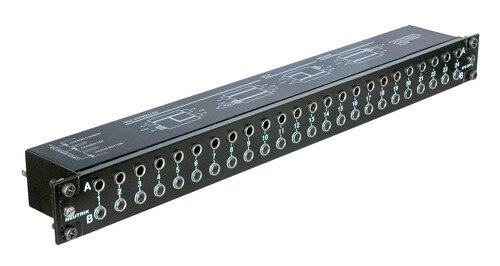 I'll be installing a Neutrik 48-point patchbay in the multitrack recorders rack tonight, connecting up the sixteen or so
BNCm-to-1/4TSm cables from the lot I've had since the inception of the matrixer-loft bed-patchbay overhead cabling concept.
I'll be installing a Neutrik 48-point patchbay in the multitrack recorders rack tonight, connecting up the sixteen or so
BNCm-to-1/4TSm cables from the lot I've had since the inception of the matrixer-loft bed-patchbay overhead cabling concept.
Experiments;
November 21 2025;
 [startechcftoide]
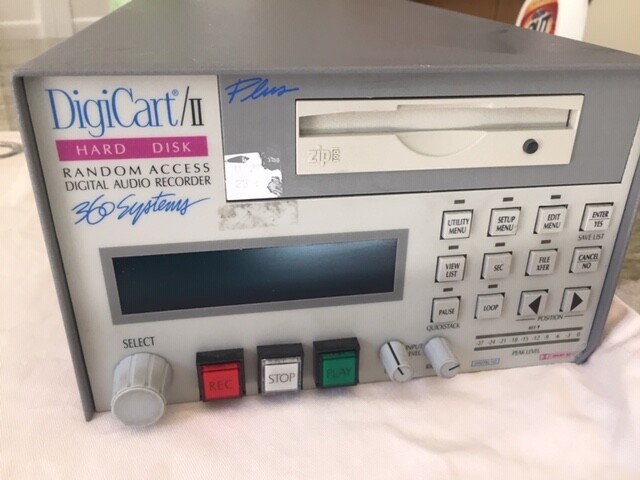
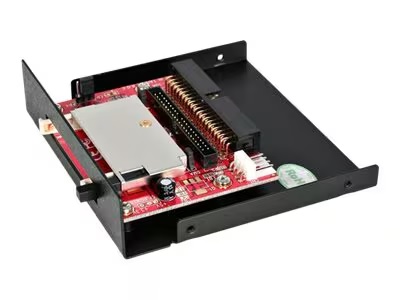 Removed the long unused compact flash card reader bay from the now nonfunctioning Dell Optiplex GX115
and installed it into a 360 Systems DigiCart II (2), and the boot sequence took at least two hours. So, then remembering that the particular
DigiCart unit was the lesser performant example as compared to the other unit of the same model I possess, I remove the Startech card reader
and implant it into the other unit, just swapping the sleds out. To my relief, the known good system booted quickly, but gave no indication of
the card's installation or directory to the positive or negative. I did note however that the system would hang if I removed the CF card; I
twice attempted to transfer the unit's internal hard drive contents to the 'cartridge' drive ID (trying ID 1 the first time only to find out
that this matched the origin, so I believe I've just got two copies of each of the pre-existing news network files on that drive now - haven't
confirmed) but upon both examinations at the CF card after finalizing those operations (one such attempt we know the reason for its failing),
no new files were present. So, suspecting an issue with the card itself's firmware (see the industrial cf card vs standard cf card distinction)
responsible for the compatibility issue, I thought to disconnect without removing the installed mechanical hard drive and connect in its place
the outfacing card reader, forfeitting the "cartridge" functionality through this impermanent mod and intending to use it as a non-hotswappable
CF card recorder. This was a bust as well, as I feared it would be, as the system without any valid drives present falls into a boot loop, where
it reads out the firmware version and "initializing" message before going blank and repeating. I am, as of day's end, not sure of the reason this
hardware combination didn't work, and
Removed the long unused compact flash card reader bay from the now nonfunctioning Dell Optiplex GX115
and installed it into a 360 Systems DigiCart II (2), and the boot sequence took at least two hours. So, then remembering that the particular
DigiCart unit was the lesser performant example as compared to the other unit of the same model I possess, I remove the Startech card reader
and implant it into the other unit, just swapping the sleds out. To my relief, the known good system booted quickly, but gave no indication of
the card's installation or directory to the positive or negative. I did note however that the system would hang if I removed the CF card; I
twice attempted to transfer the unit's internal hard drive contents to the 'cartridge' drive ID (trying ID 1 the first time only to find out
that this matched the origin, so I believe I've just got two copies of each of the pre-existing news network files on that drive now - haven't
confirmed) but upon both examinations at the CF card after finalizing those operations (one such attempt we know the reason for its failing),
no new files were present. So, suspecting an issue with the card itself's firmware (see the industrial cf card vs standard cf card distinction)
responsible for the compatibility issue, I thought to disconnect without removing the installed mechanical hard drive and connect in its place
the outfacing card reader, forfeitting the "cartridge" functionality through this impermanent mod and intending to use it as a non-hotswappable
CF card recorder. This was a bust as well, as I feared it would be, as the system without any valid drives present falls into a boot loop, where
it reads out the firmware version and "initializing" message before going blank and repeating. I am, as of day's end, not sure of the reason this
hardware combination didn't work, and 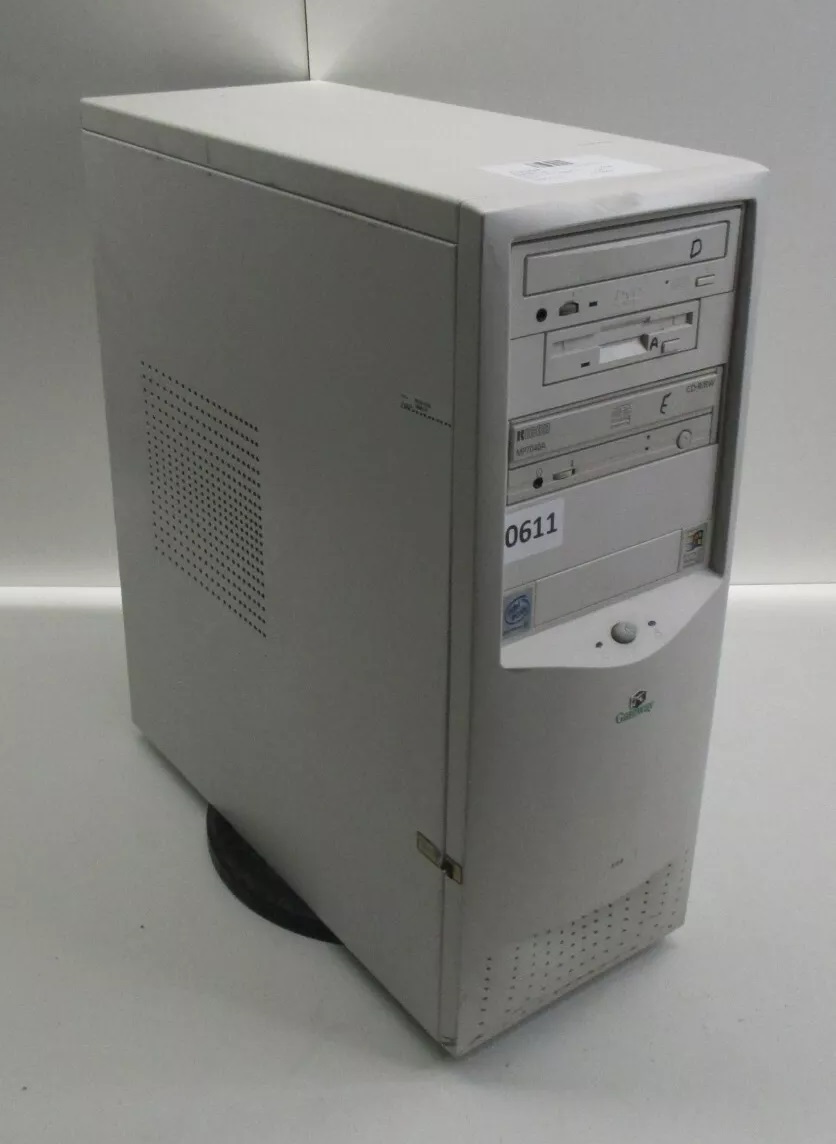 ,
[iomegazip100int]
,
[iomegazip100int]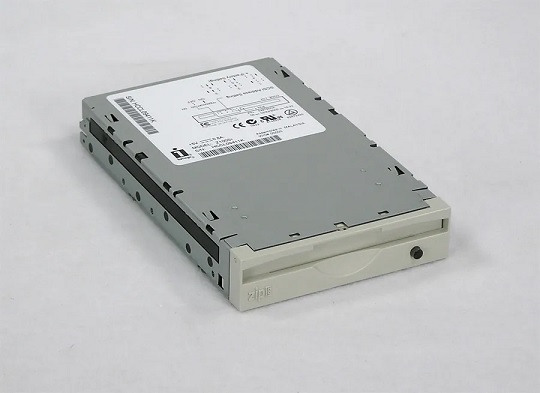
November 15 2025;
Purchases; (B;)D Series 1/4TRS(female) to 1/4TRS(female) coupler, (E;)D Series 1/4TRS(female) to XLR(female) coupler [QTY 2], D Series mounting panel 1U, (C;)Penn Elcom IEC mounting panel 1U [QTY 2], (A;)XLRF to 1/4TS cable 5'[QTY 2], (D;)Wittner violin fine tuner, G string for Violin, (E;)Neutrik NYS-SPPL 48-point patchbay
The objectives with this cluster of purchases are to, at long last, A) render the acoustic instruments capacity of my studio useable by providing an essential conversion from what the on-hand microphones accept (XLR) to what can be routed (1/4in), B) streamline the interface for patching PC-sourced audio feeds into samplers (no more direct handling of 1/4in to 3.5mm adapters) as a 1/4TRS to 1/4TRS coupler in proximity to the aggregation of PC audio outlets will allow intuitive assignment/adaptation to the desired format, and from the user-end of the coupler, a lead can be connected into another coupler on the plane of that of the samplers (next purchase round), C) IEC panels which will be occupied with c13 power outlets, placed ergonomically in relation to the soon-to-be positioned c14 power inlet panels and supply more leads of power and more organizedly than the current state of fat 6 foot c13 to c14 cables trunking around, less elegantly than initially envisioned. D) Restore the electric violin I received to the condition it was advertised as - it arrived without a shoulder rest, a broken fine tuner for the G string, and frayed G string. E) Allow the long-sacrificed implementation of multi-channel hard disk recorders to the routing matrix, so to interface the already-secured and still unopened parcel of eight BNC-to-1/4TS cables at 8 foot length with the matrix unit and patchbay, and from the patchbay to the recorders, either standard five foot length instrument cables (1/4TS(male)-to-1/4TS(male)) or six foot RCA cables to RCA(female)-to/ot-1/4TS(male).
Objectives;
[cryptocoindisplay]
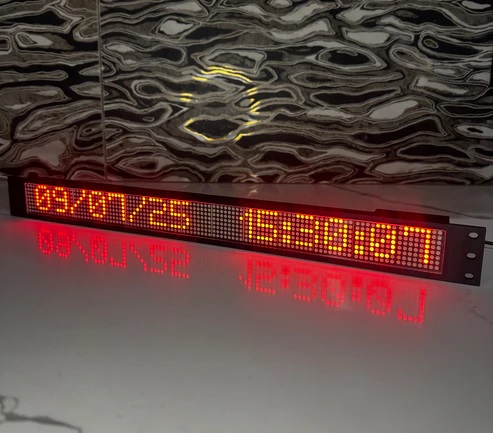 I have a strong interest in procuring interfaceable scrolling text panels in rack form in the interest to establish some
sort of interactivity between a computer program/webpage and the physical studio environment which is to be married to it. Until now, the
only correlation between the virtual development and the physical is my initiative, to load the webpage as well as maintain it, update it
to display accurate information about orientations and configurations, inventory, etc. and utilize the information contained within it in
situations which arise in using the physical equipment where it would be beneficial. The goal is to make the GUI irresistable or operationally
essential as its a powerful component already and much moreso conceptually of this encompassing structure. With scrolling text panels fastened
into a number of racks and being fed readouts from, say, a static webpage which changes according to the studio user's directives, the environment
will feel less detached from the virtual temple erected alongside it, its building materials time, consciousness and deliberation whereas the
pillars of metal and silicon depend on money solely.
I have a strong interest in procuring interfaceable scrolling text panels in rack form in the interest to establish some
sort of interactivity between a computer program/webpage and the physical studio environment which is to be married to it. Until now, the
only correlation between the virtual development and the physical is my initiative, to load the webpage as well as maintain it, update it
to display accurate information about orientations and configurations, inventory, etc. and utilize the information contained within it in
situations which arise in using the physical equipment where it would be beneficial. The goal is to make the GUI irresistable or operationally
essential as its a powerful component already and much moreso conceptually of this encompassing structure. With scrolling text panels fastened
into a number of racks and being fed readouts from, say, a static webpage which changes according to the studio user's directives, the environment
will feel less detached from the virtual temple erected alongside it, its building materials time, consciousness and deliberation whereas the
pillars of metal and silicon depend on money solely.Cautions;
As time has passed and I've proceeded down a path of material accumulation, I have slowly arrived at the realization that along with the positive possibilities of having at your disposal a wide swathe of devices, you also begin to fill a sac of negative ones. A considerable and unignorable drawback is the intuitiveness of using the studio - when you've expanded to the point of overload, it becomes hazardous to carry over the same practices as when the environment was tiny. For example, in the early days of this endeavor, all of the equipment was powered with one power strip; while I am certain that I was stressing out conditioners by doing this, I never tripped a breaker and didn't note any concerning or telling phenomenon with the lights or power, and, at that time, the only amperically expensive devices I had were three legacy computers, which, when all running concurrently, would approach the limit of what was safe (unless we had a 20A breaker for that room, something that is a possibility, and, if the case, would mean that there was quite little danger or abuse on my end; I still concede that I should've taken it upon myself before then to better understand electricity and its conventions.). But abuse or no, I have moved since then, and in the domicile habitated prior to this one, my space was supplied with a 15A circuit, which could not shoulder the full load of my setup alone - my solution was to snake out extension cords from other rooms' outlets and, with general sense (I did take measurements near the end of our residence there) distribute the devices as evenly as possible across the parent conditioners connected to these door threshhold- passing lines. Not interested in continuing this trend, as well as wincing now at the idea of having everything powered at once unnecessarily, I've, in the time since moving into this apartment, paid ample attention and invested much fiscal resource into modularizing the supply of power to devices. Instead of bunking devices of differing categories and utilities onto the same one-switch distributor out of necessity, and accepting the consequence that devices would be supplied power and sit idle and powered despite not being used for actual weeks, I now rely on manually mating c14 leads into c13 receptacles to allocate power where and when it is needed.
Developments;
[marantzpmd580]

 [cfcard]
 [360systemsdigicartii]
[zip100]
[360systemsdigicartii]
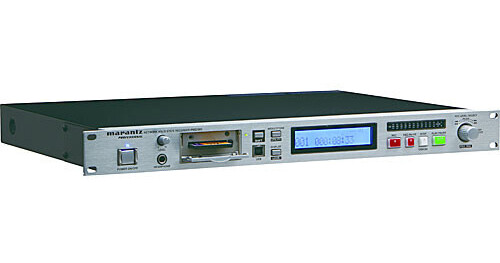
[zip100]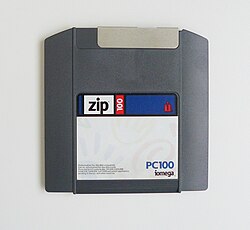 The delayed exposure to dysfunctional equipment I'd acquired during the prolongued operational downtime was and I'm sure will continue being
difficult to grapple with as I continue along the path of restoring the environment. But the Marantz PMD580's breakdown was the most disarming
in recent memory; having made plans to orient the entirety of the studio's
workflow around this device, the resorting to pulling the device apart was
disenchanting. Of course, being a clumsy person, I did manage to, near the end of the process (having already endured and narrowly avoided other
damages in this cursed dissassembly) of observing the internals and attempting to improve the jogwheel situation, pull out the LCD ribbon cable.
This of course increased the number of significant
problems with the unit from one to two, as the jogwheel was engineered by a sadist and the serviceability
of this unit was certainly way low on the scale as far as that can be compared. So I was faced with a dilemma - double down and order another PMD580
[reason-not accept the disruption to planning], one-point-threethree down and order a PMD560 (the same unit but lacking the web interfaceability)
[reason-lower cost], zero down and reinstate the Roland R-1 recorder complete with its familiarized quirks and sacrificing its practicalities for
field recording, or, which is what I did end up doing, one down (improvise) and
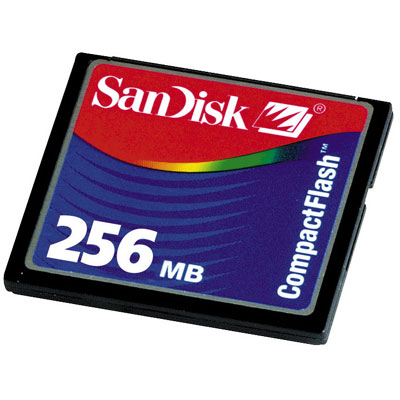
sit idle and patch the hole with something on-hand. A week or two out from the CF card
cult, I am beginning to see how circumventive the practice of instant mastering or premastering in the way I've gone about material harvesting
is, in that it dissuades and convolutes the enlistment of other means of recording (say, multitrack recording). I hadn't been so dense (maybe I
was) to overlook the chiefest practicality of this utility to sit immediately before the monitors and be a capture of well-implemented and
leveraged multitrack systems below it, but, nonetheless, I haven't actually sacrificed the practice - instead, now I'm at the mouth of the path
of 'Zip dumping' instead of '(CF) card dumping', and with the decreased record time, I may be incentived to use these premaster facilities more
conservatively, i.e. for per-undertaking engagements (like we've seen with the sessions with David and Trey/Jerel on seperate dates, with individual
disks holding the fruits of those).
The delayed exposure to dysfunctional equipment I'd acquired during the prolongued operational downtime was and I'm sure will continue being
difficult to grapple with as I continue along the path of restoring the environment. But the Marantz PMD580's breakdown was the most disarming
in recent memory; having made plans to orient the entirety of the studio's
workflow around this device, the resorting to pulling the device apart was
disenchanting. Of course, being a clumsy person, I did manage to, near the end of the process (having already endured and narrowly avoided other
damages in this cursed dissassembly) of observing the internals and attempting to improve the jogwheel situation, pull out the LCD ribbon cable.
This of course increased the number of significant
problems with the unit from one to two, as the jogwheel was engineered by a sadist and the serviceability
of this unit was certainly way low on the scale as far as that can be compared. So I was faced with a dilemma - double down and order another PMD580
[reason-not accept the disruption to planning], one-point-threethree down and order a PMD560 (the same unit but lacking the web interfaceability)
[reason-lower cost], zero down and reinstate the Roland R-1 recorder complete with its familiarized quirks and sacrificing its practicalities for
field recording, or, which is what I did end up doing, one down (improvise) and
sit idle and patch the hole with something on-hand. A week or two out from the CF card
cult, I am beginning to see how circumventive the practice of instant mastering or premastering in the way I've gone about material harvesting
is, in that it dissuades and convolutes the enlistment of other means of recording (say, multitrack recording). I hadn't been so dense (maybe I
was) to overlook the chiefest practicality of this utility to sit immediately before the monitors and be a capture of well-implemented and
leveraged multitrack systems below it, but, nonetheless, I haven't actually sacrificed the practice - instead, now I'm at the mouth of the path
of 'Zip dumping' instead of '(CF) card dumping', and with the decreased record time, I may be incentived to use these premaster facilities more
conservatively, i.e. for per-undertaking engagements (like we've seen with the sessions with David and Trey/Jerel on seperate dates, with individual
disks holding the fruits of those).
Challenges;
[bugs]
 In the immediate sense, the largest challenge is the bugs in proximity to and inside the studio.