
  |
 Instrument (low-tuned) ;
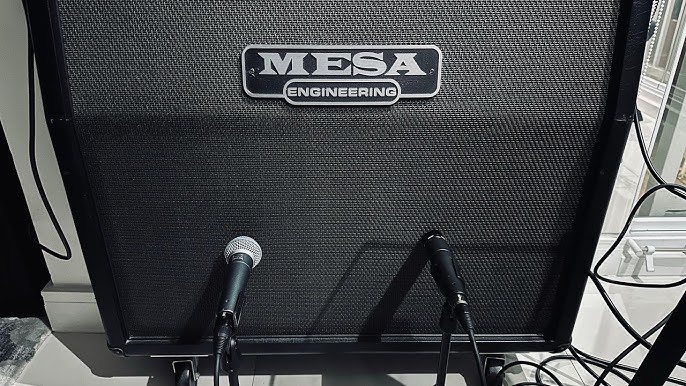
  Preamp w/ Scooped midrangemoderate bass, concentrated high midrange, moderate highs
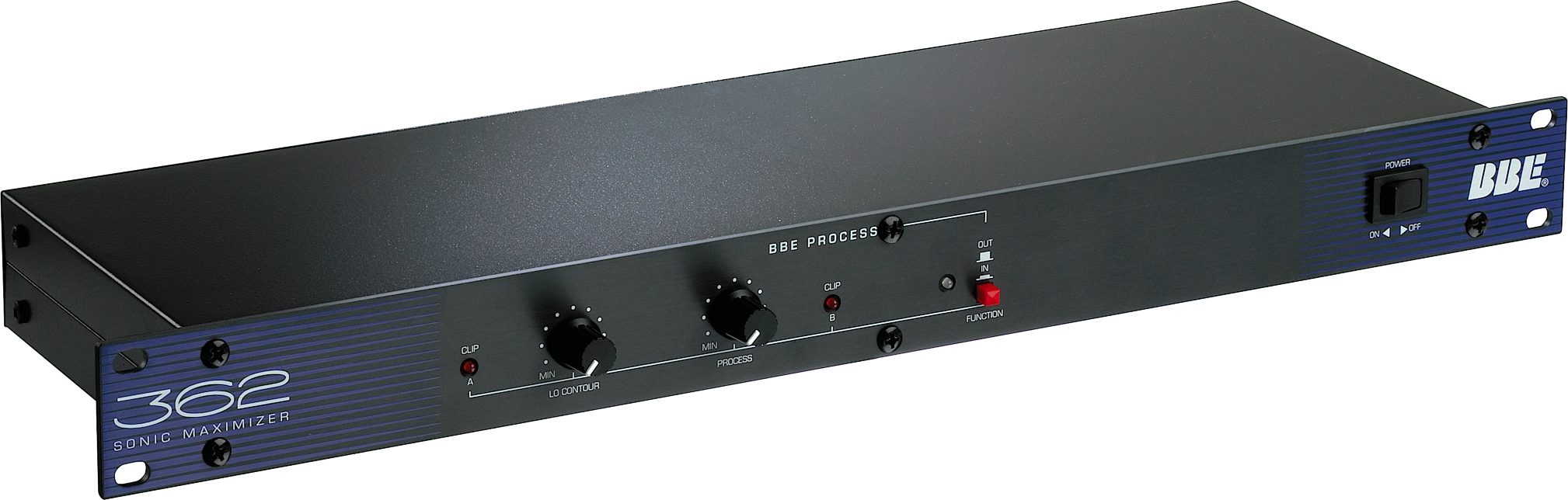
  Power Amp ; optional
 Speaker cabinet ; optional
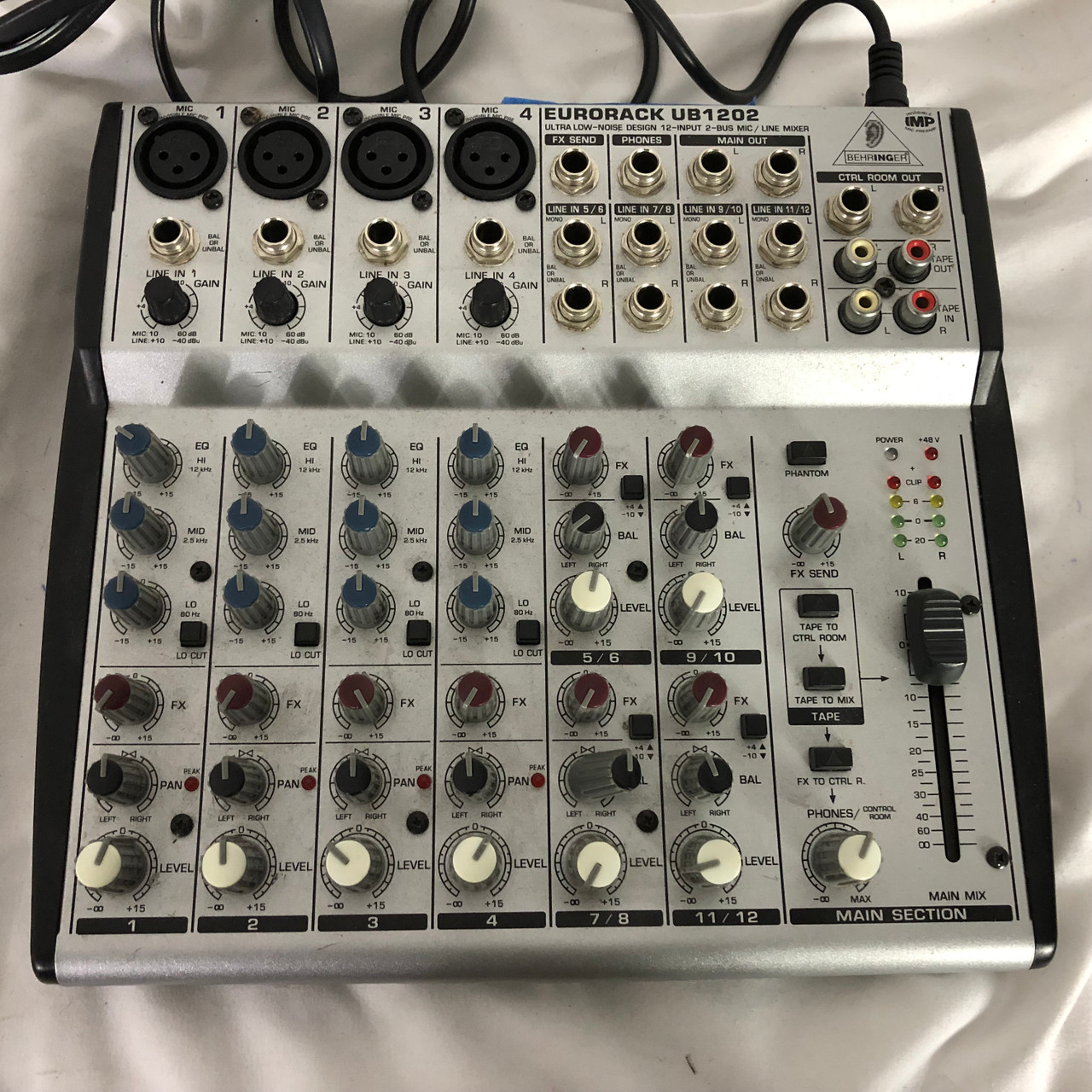
 Microphone into cheap preamp "
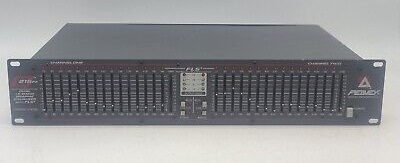
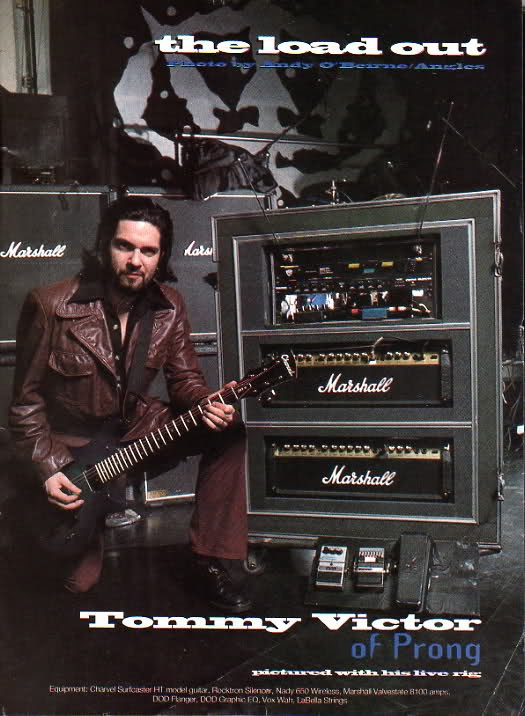 Prong pictured, 1994. Prong pictured, 1994.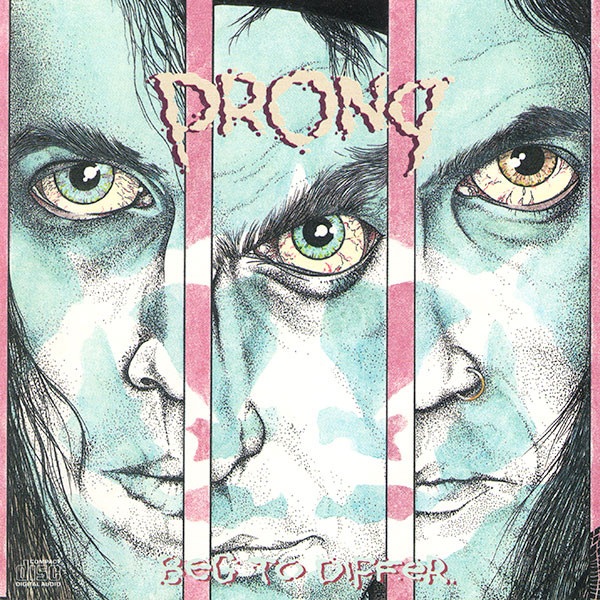
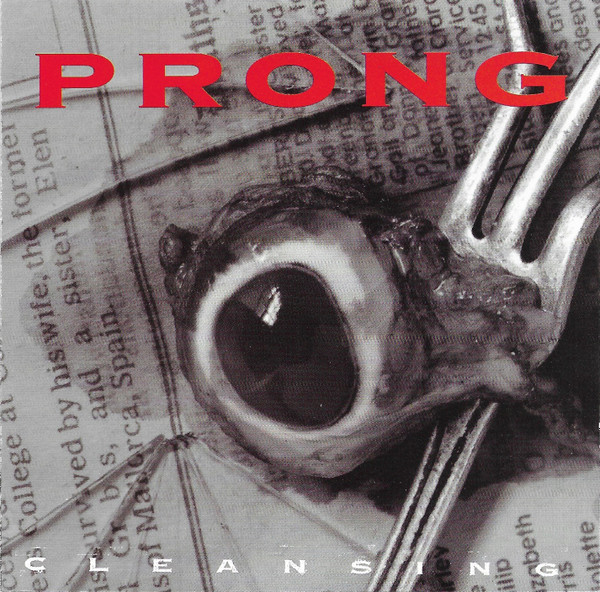
  ; approximation of 'Prong' guitar tonality / instrumentation.
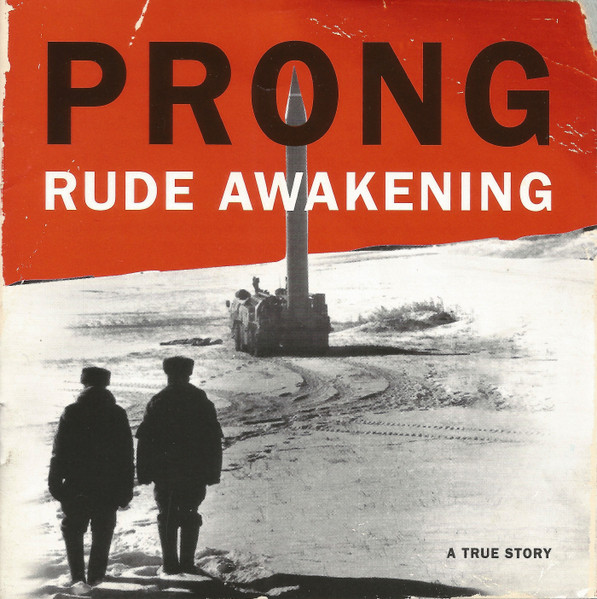
Prong - likely the second most influential guitar band of the 1990s (behind Pantera). The diode guitar sound that defined
the mid 90s is traceable to Prong's Tommy Victor, whose riffs and tone are like a metallification of ZZ Top. ; approximation of 'Prong' guitar tonality / instrumentation.
Prong - likely the second most influential guitar band of the 1990s (behind Pantera). The diode guitar sound that defined
the mid 90s is traceable to Prong's Tommy Victor, whose riffs and tone are like a metallification of ZZ Top.
|
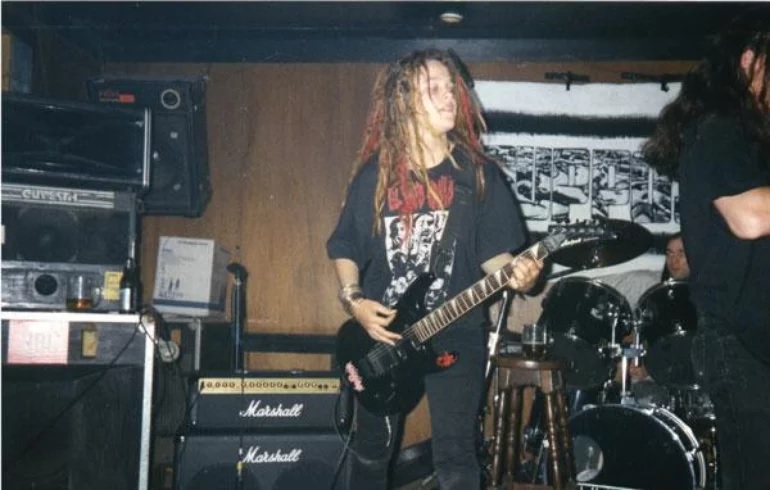 fig. A fig. A
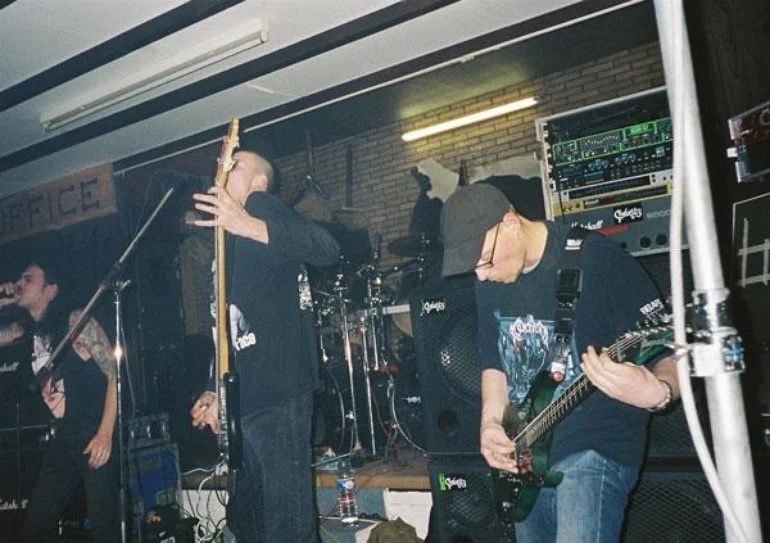 fig B fig B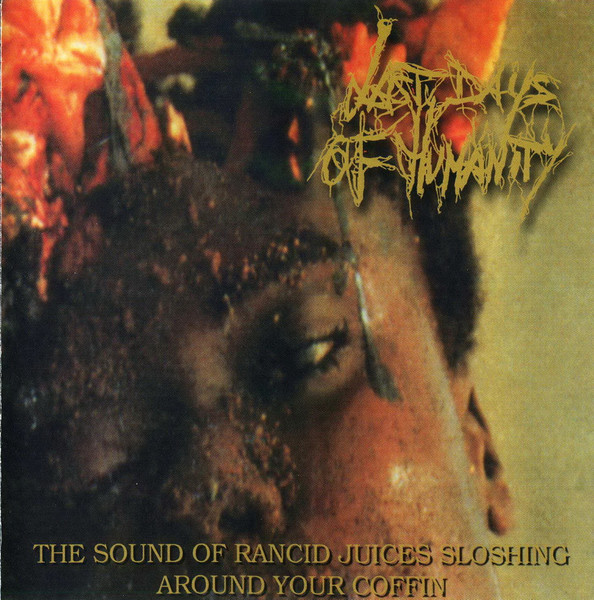     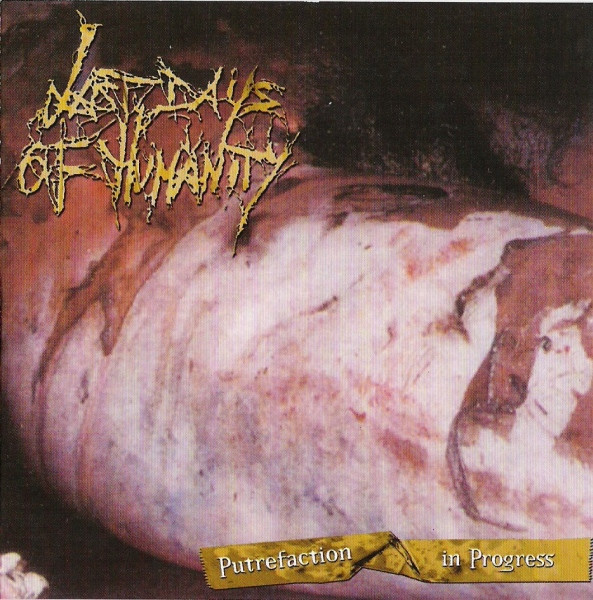 Last Days Of Humanity pictured, 1996 (fig. A), 2004 (fig. B) ; approximation of 'Last Days Of Humanity' guitar tonality / instrumentation.
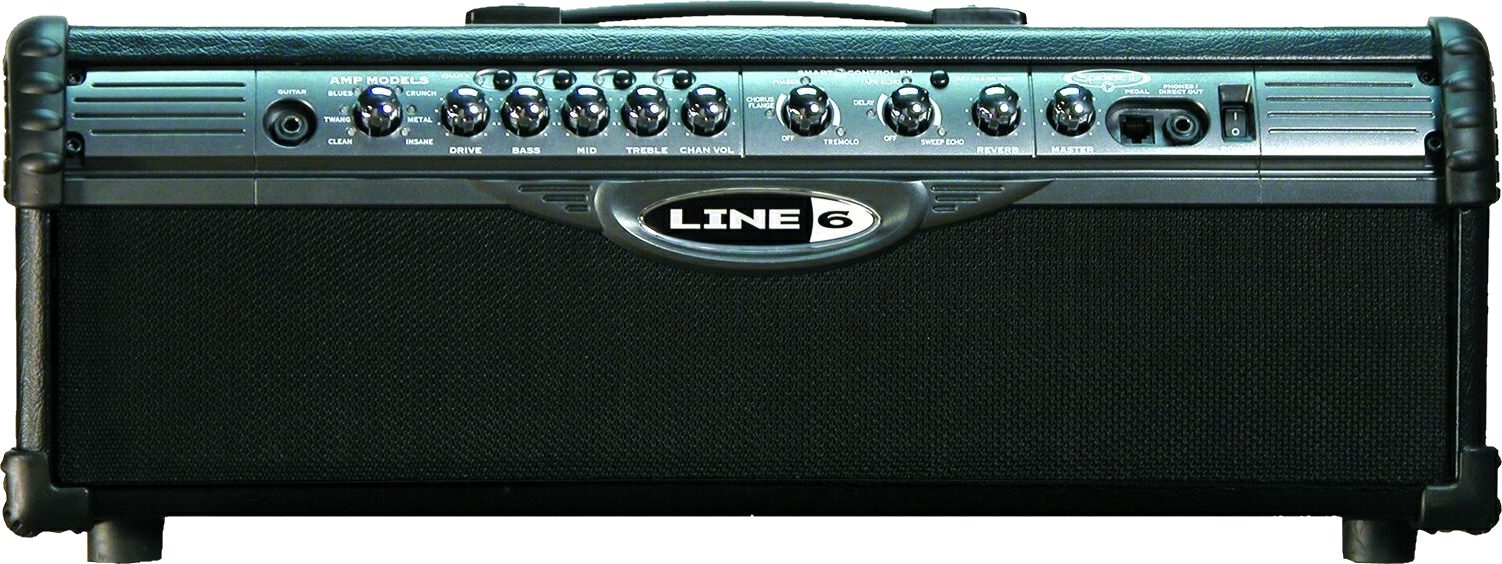
Pictured above are members of the same band, Last Days Of Humanity. Anne Burgt, pictured first, was a brief member of
LDOH, but the picture reveals something pertinent to this very discussion; a necessitous utilization of the Valvestate
amp (probably around 1996). On top of being relevant on their merits of being one of the most brutal bands to have
existed alone, their catalog reveals that they underwent similar evolution as that which I've narrated - being
Analog Andys at the midpoint of the 90s and all but Digital Dannys by 2002 or so. Its a path echoed across the genre,
Meshuggah coming to mind too, especially to this particular thought. Before I include their pictures, mind that the rigs
utilized in Last Days Of Humanity's two-part example (the above elements) are firstly the Marshall Valvestate 8100 and then
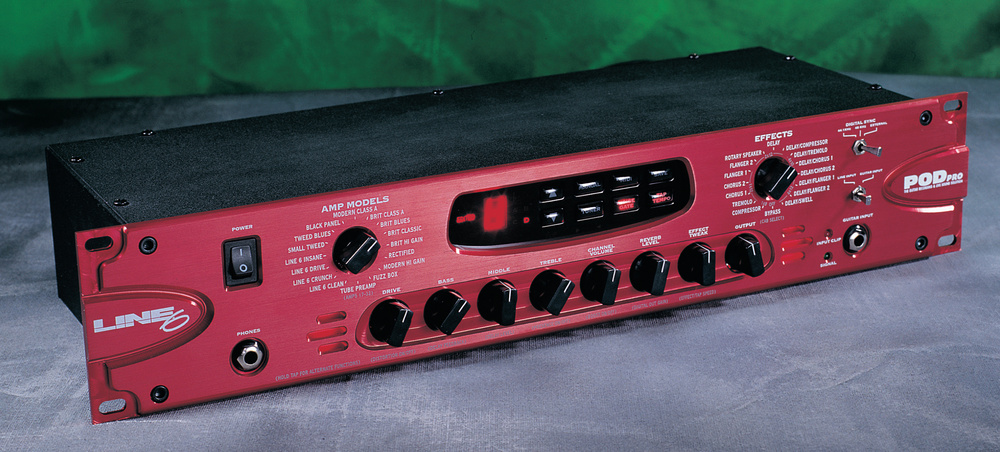
cabinet, and secondly a rackmount rig comprised of Line 6 POD Pro, Rocktron Velocity 250 and then cabinet (this second photo
likely being taken around 2004).
|
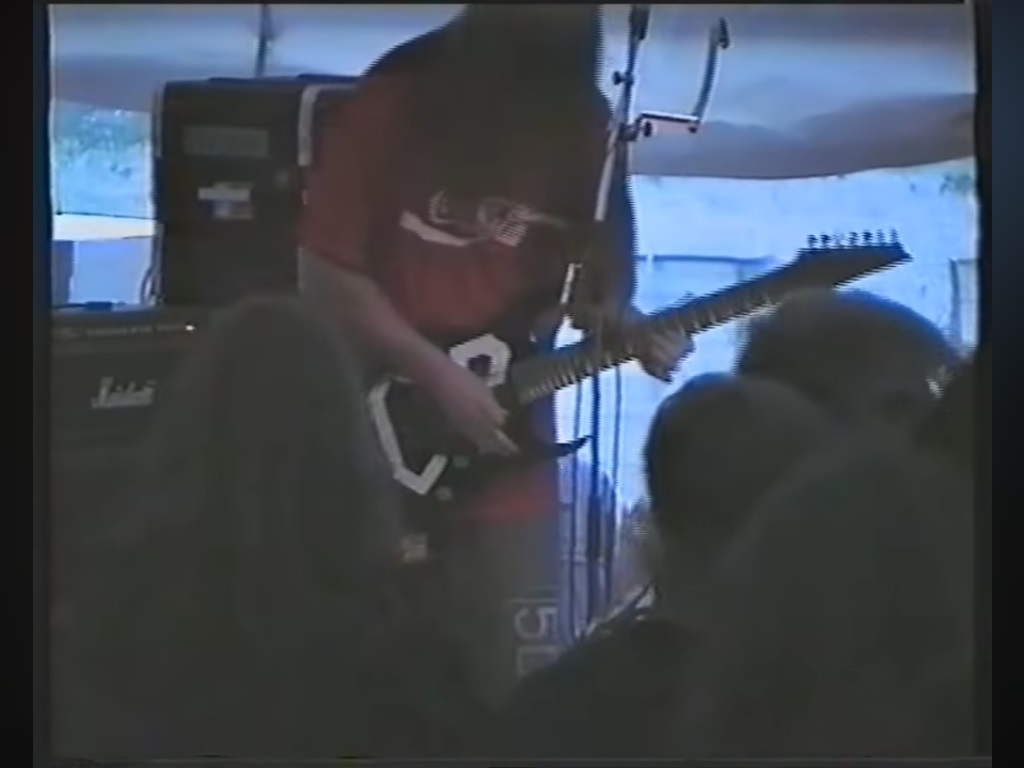 fig. A fig. A
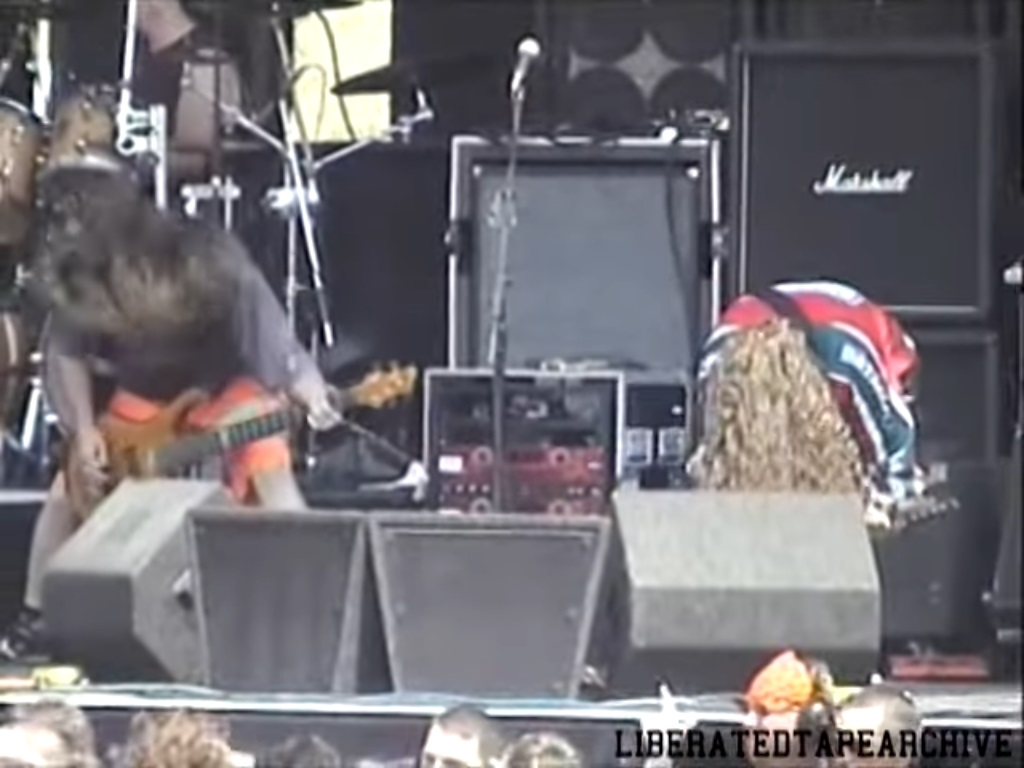 fig. B fig. B
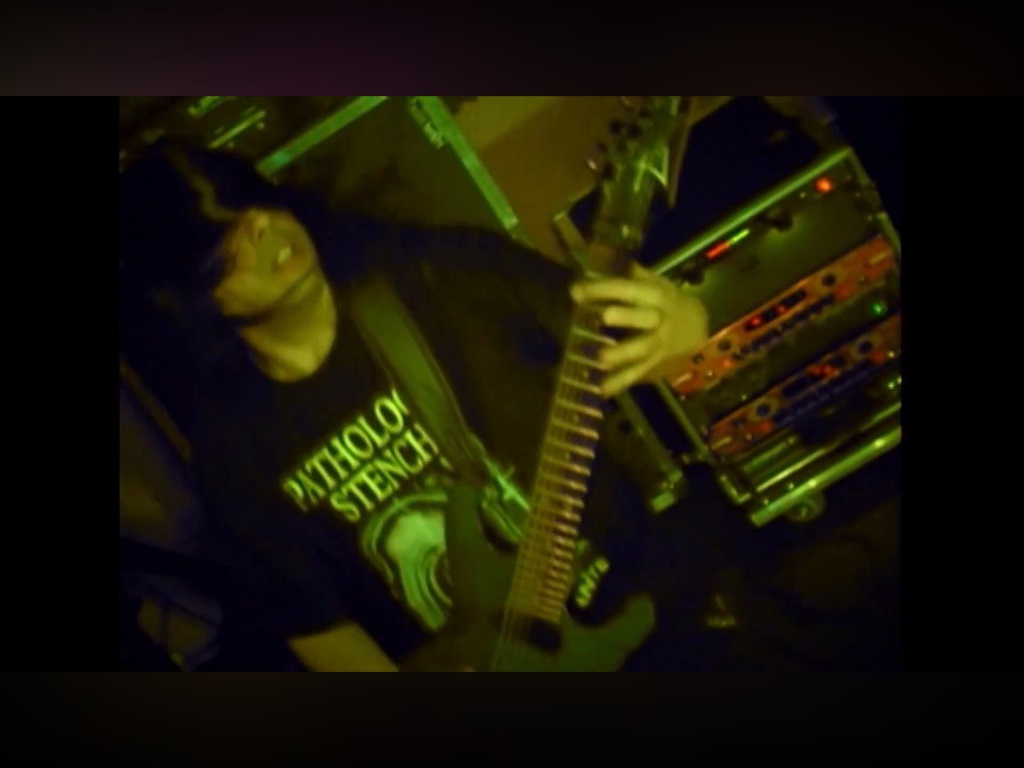
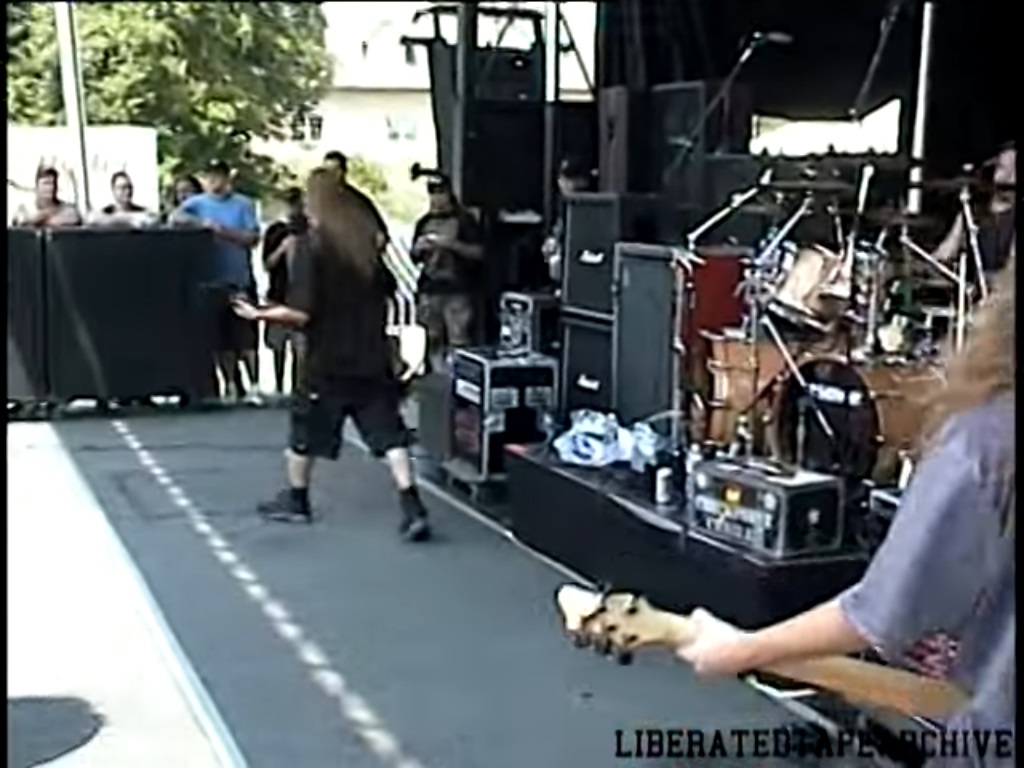 fig. C fig. C    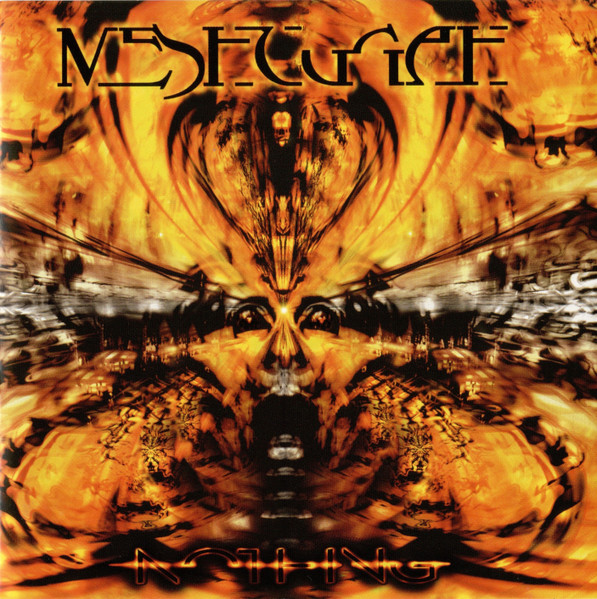 Meshuggah pictured, 1996 (fig. A), 2002 (fig. B and C) ; approximation of 'Meshuggah' guitar tonality / instrumentation.
Above now are three video frames of Meshuggah live, the first being of Frederik Thordendal during a 1996 liveshow, with a
Marshall Valvestate 8100 behind him. The next two frames are of Marten Hagstrom and then Frederik Thordendal again,
from their amateur performance taping at Ozzfest 2002, depicting a redundant rig of something like five or six Line 6 POD
Pro units.
|
 Malignancy pictured, 2003. Malignancy pictured, 2003.
  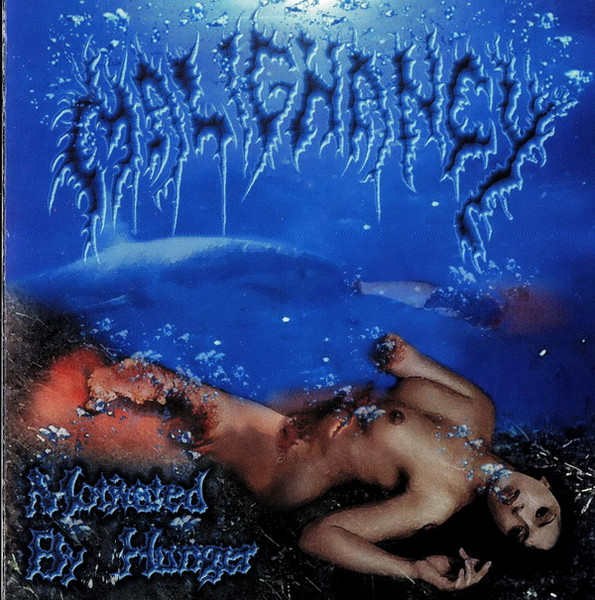 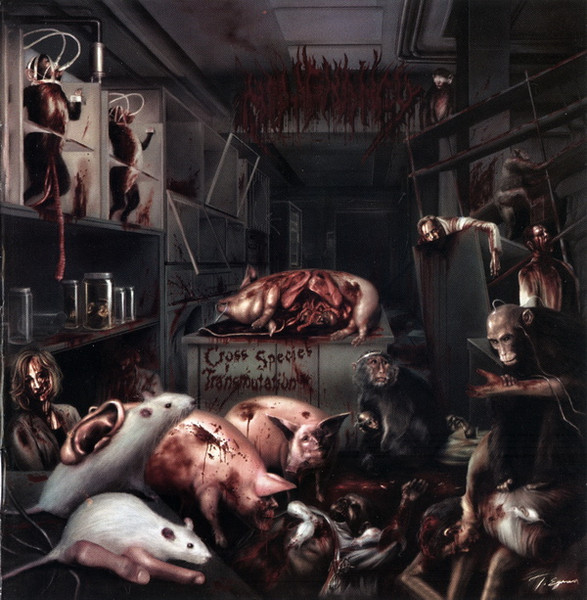 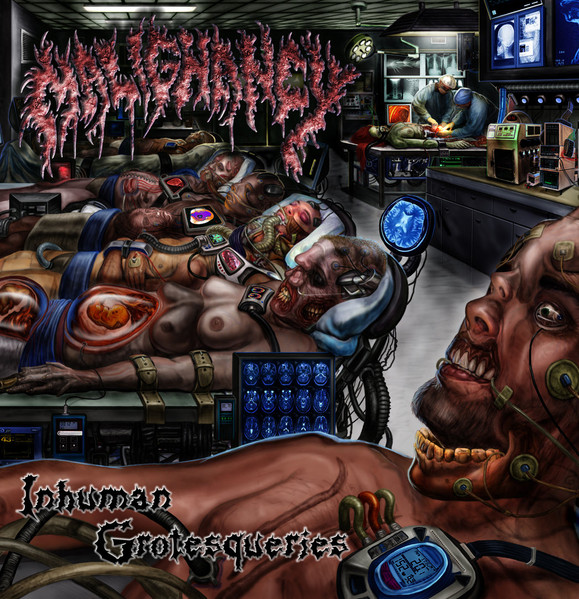 ; approximation of 'Malignancy' guitar tonality / instrumentation.
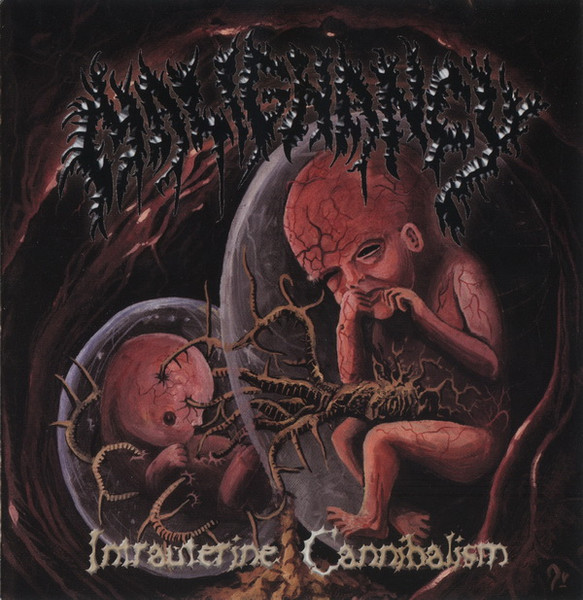
Above is a frame of Malignancy guitarist Ron Kachnic from their video for 2003's Cross Species Transmutation, depicting
his rig behind him containing two Line 6 POD Pro units. ; approximation of 'Malignancy' guitar tonality / instrumentation.
Above is a frame of Malignancy guitarist Ron Kachnic from their video for 2003's Cross Species Transmutation, depicting
his rig behind him containing two Line 6 POD Pro units.
|
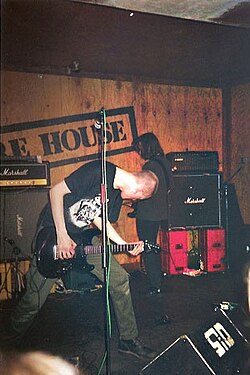 Godflesh pictured, 1992. Godflesh pictured, 1992. 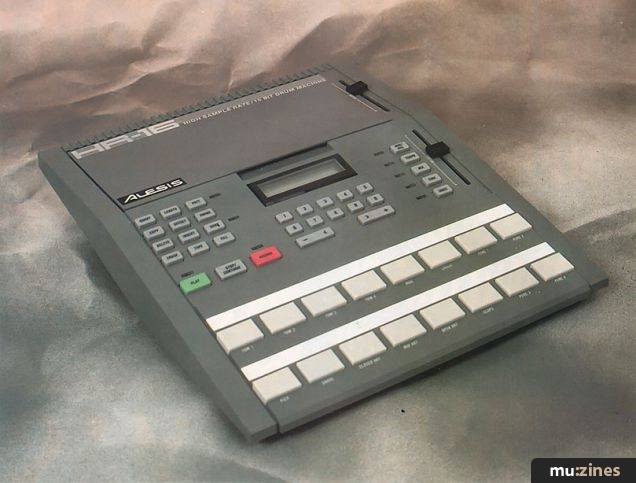 fig. A fig. A
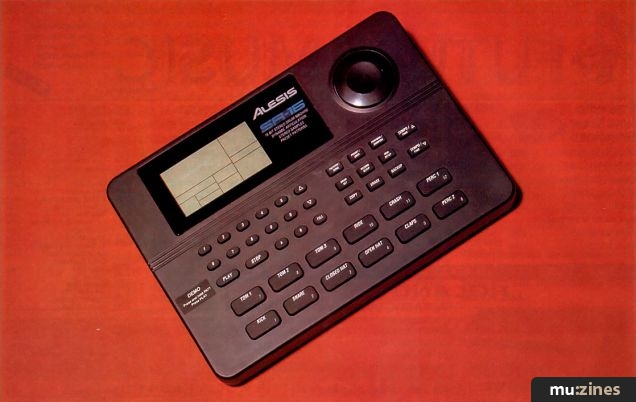 fig. B fig. BDrum machines used by Godflesh, 1988-1991 (fig. A), 1991-1993 (fig. B)  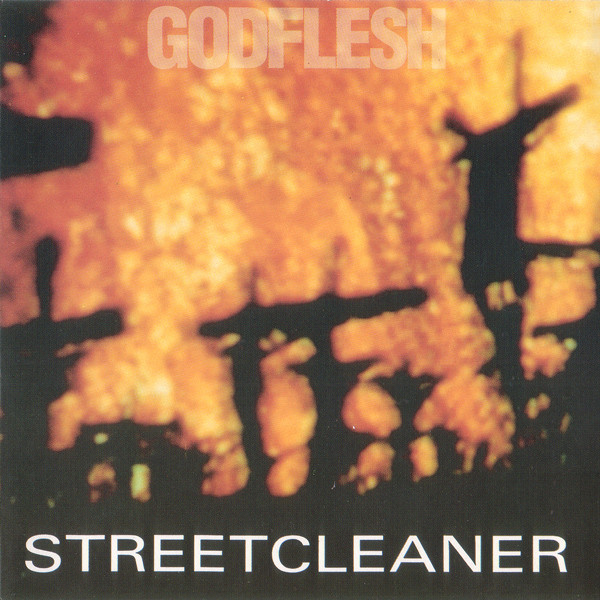 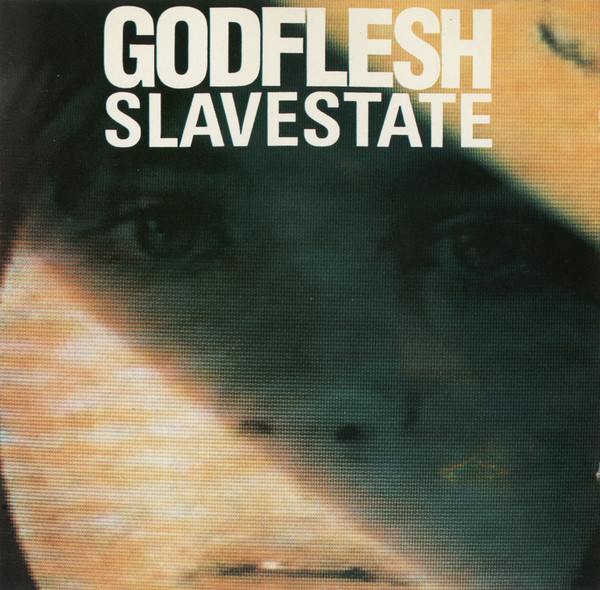 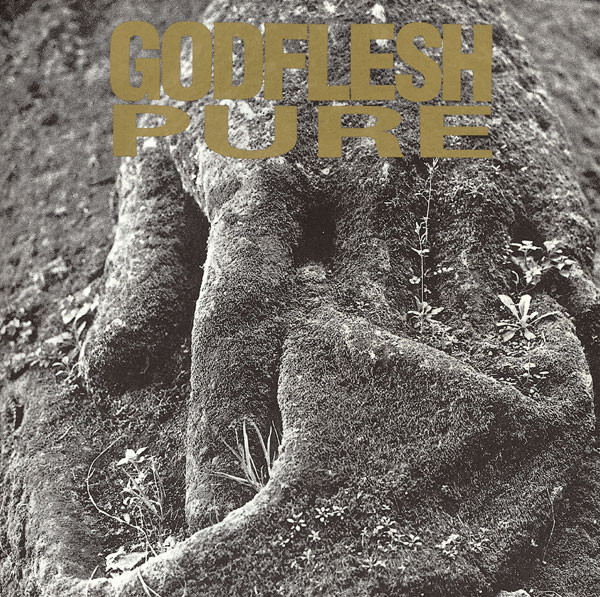 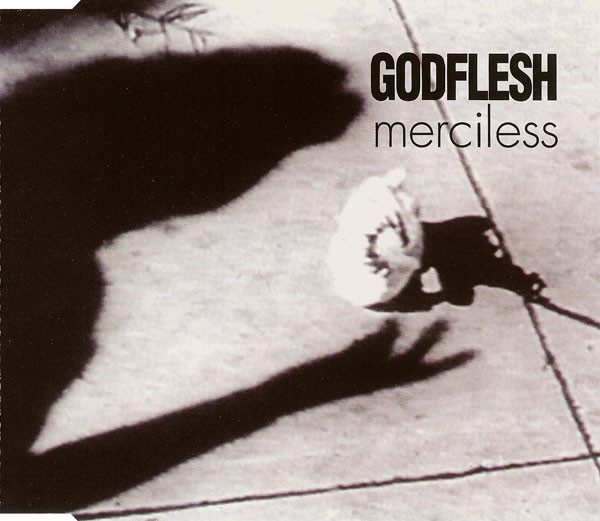 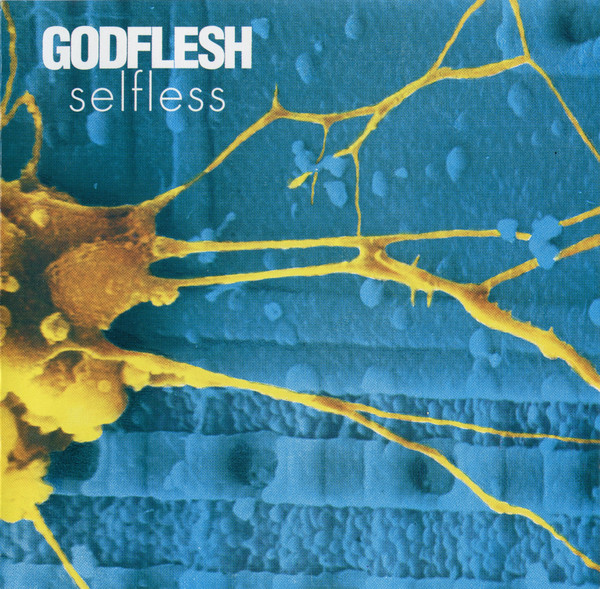 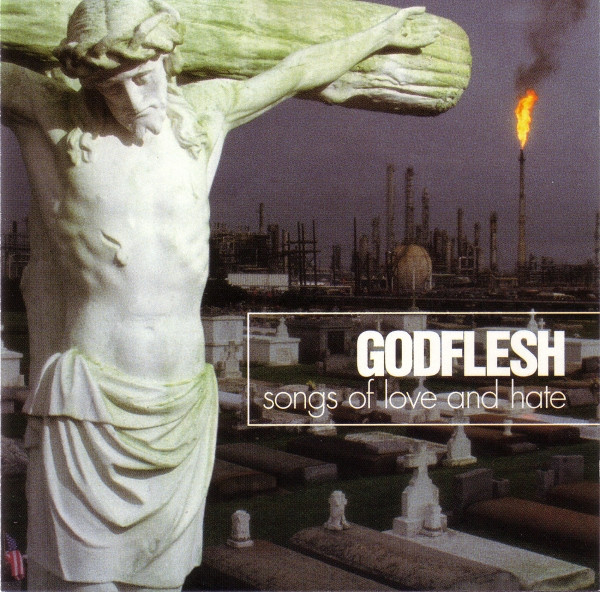 ; approximation of 'Godflesh' guitar tonality / instrumentation.
In a large way, Godflesh's guitars in isolation are "unremarkable" (though I disagree with that statement on its own;
Justin Broadrick's project 'Final' sees the guitars abstracted in a wonderful way) - what makes them HEAVY is the
satellite conditions and elements. Like a cherub standing in a wishing well filled with blood - abstracted, the cherub
is harmless, without any connotations of sinisterity. Sat on the edge of a macabre fountain however, there materializes
a plausibility of wickedness. Applied over a booming, industrious rebar grid of cold virtual percussion and this dense
red dirt in G.C. Green's bass, is a digging bucket's fill of bird carcasses - poofs of white and black and a foreboding
smell. A blanket of organic matter is what I find to be the closest approximation of the sum of Godflesh's guitar tone;
the iron smell of blood reciprocating the obvious and chorus-borne metallic sheen you can hear on Streetcleaner through
Songs Of Love And Hate. With the evolving setting (Brian Mantia's contributions to live and studio dynamics), some elements
were amplified, plenty lost or halved, plenty introduced. For example, Songs Of Love And Hate has suggestions of grunge,
a note you do not find elsewhere in the discography. Its the Grohl-esque energy of Brian Mantia which brings this into
frame.
; approximation of 'Godflesh' guitar tonality / instrumentation.
In a large way, Godflesh's guitars in isolation are "unremarkable" (though I disagree with that statement on its own;
Justin Broadrick's project 'Final' sees the guitars abstracted in a wonderful way) - what makes them HEAVY is the
satellite conditions and elements. Like a cherub standing in a wishing well filled with blood - abstracted, the cherub
is harmless, without any connotations of sinisterity. Sat on the edge of a macabre fountain however, there materializes
a plausibility of wickedness. Applied over a booming, industrious rebar grid of cold virtual percussion and this dense
red dirt in G.C. Green's bass, is a digging bucket's fill of bird carcasses - poofs of white and black and a foreboding
smell. A blanket of organic matter is what I find to be the closest approximation of the sum of Godflesh's guitar tone;
the iron smell of blood reciprocating the obvious and chorus-borne metallic sheen you can hear on Streetcleaner through
Songs Of Love And Hate. With the evolving setting (Brian Mantia's contributions to live and studio dynamics), some elements
were amplified, plenty lost or halved, plenty introduced. For example, Songs Of Love And Hate has suggestions of grunge,
a note you do not find elsewhere in the discography. Its the Grohl-esque energy of Brian Mantia which brings this into
frame.
|
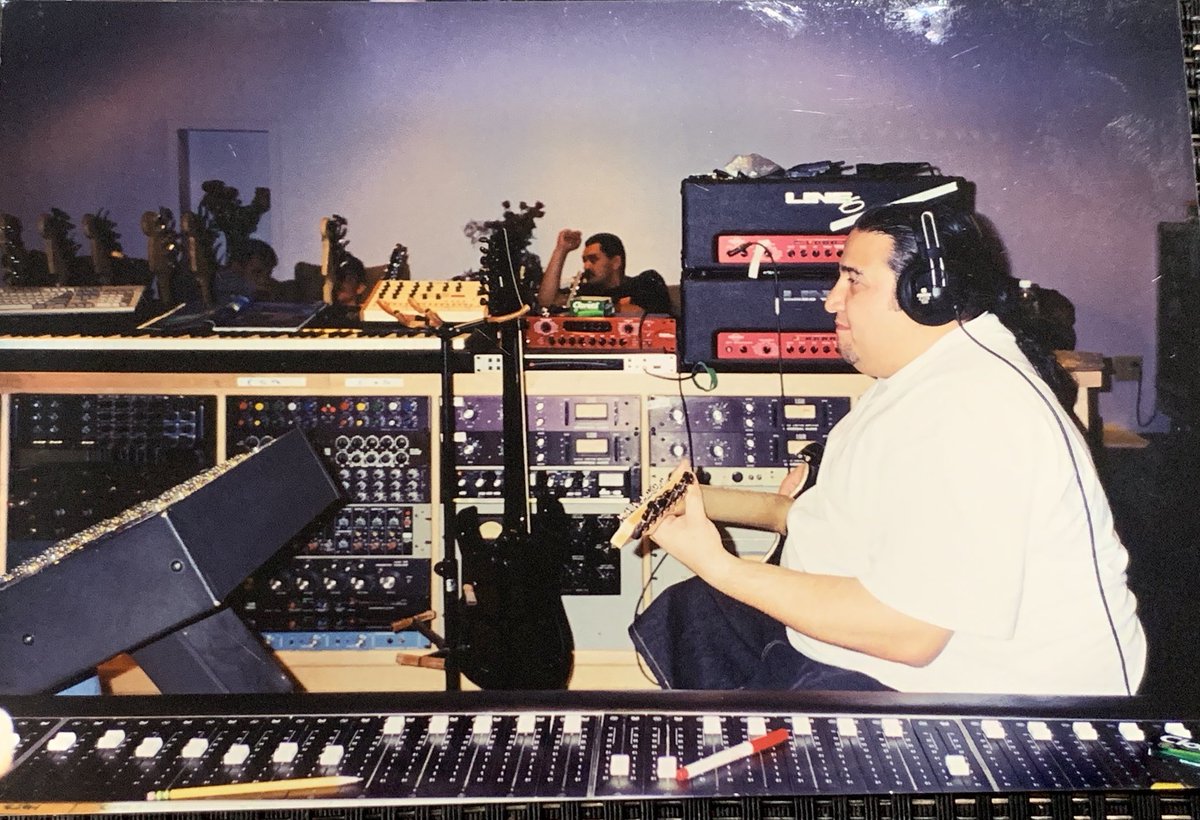 Fear Factory pictured in-studio, 2001. Fear Factory pictured in-studio, 2001.
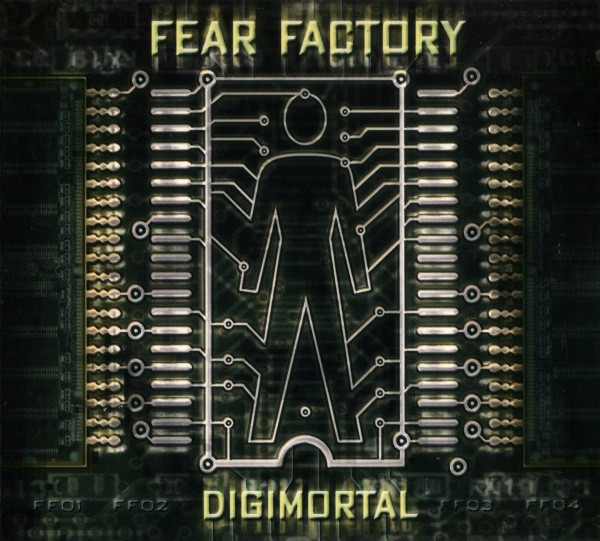 ; approximation of 'Fear Factory' guitar tonality / instrumentation.
Dino Cazares infused wristbreaking picking discipline to the fundamentally 1 Bit chromatics of industrial metal and
had a modernizing effect on the metal guitar landscape with his work. Demanufacture is a landmark album which showcased
a matured portrait of the fresh-faced Soul Of A New Machine ethos. Dystopian lyrics, alternatingly hoarse and pristine
vocals, precise and technical drumming and a rhythmic competency not often seen at such a high level.
; approximation of 'Fear Factory' guitar tonality / instrumentation.
Dino Cazares infused wristbreaking picking discipline to the fundamentally 1 Bit chromatics of industrial metal and
had a modernizing effect on the metal guitar landscape with his work. Demanufacture is a landmark album which showcased
a matured portrait of the fresh-faced Soul Of A New Machine ethos. Dystopian lyrics, alternatingly hoarse and pristine
vocals, precise and technical drumming and a rhythmic competency not often seen at such a high level.
|
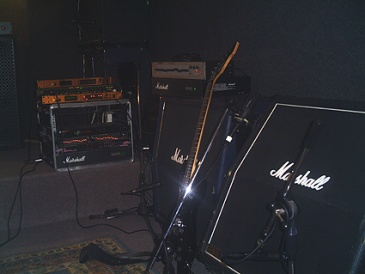
 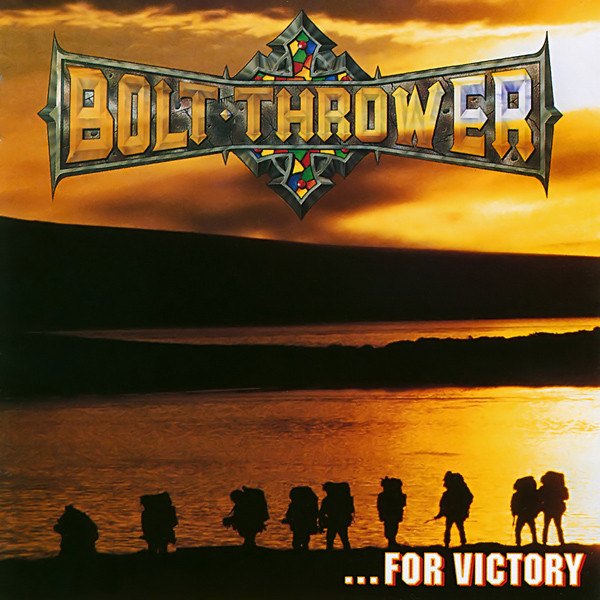 ; approximation of 'Bolt Thrower' guitar tonality / instrumentation.
Bolt Thrower - the great riff masters of the old school death metal scene. Shit talkers of Godflesh - but like in that
internet history case of a pianist trash talking in the comments section of a fairly decent pianist who had taped himself
performing a piece, being confronted with a sentiment of "well how about you record yourself and show the world how talented
YOU are", and absolutely laying siege to the poor fuck who posted his cute little intermediate performance, only for a supremely
unlikely and, frankly, immature yet gifted individual to come about and totally steal his thunder. I don't think Bolt Thrower
to be superior to Godflesh, but it would be demoralizing to be put down by whomever threw such shade in Justin Broadrick's
direction.
; approximation of 'Bolt Thrower' guitar tonality / instrumentation.
Bolt Thrower - the great riff masters of the old school death metal scene. Shit talkers of Godflesh - but like in that
internet history case of a pianist trash talking in the comments section of a fairly decent pianist who had taped himself
performing a piece, being confronted with a sentiment of "well how about you record yourself and show the world how talented
YOU are", and absolutely laying siege to the poor fuck who posted his cute little intermediate performance, only for a supremely
unlikely and, frankly, immature yet gifted individual to come about and totally steal his thunder. I don't think Bolt Thrower
to be superior to Godflesh, but it would be demoralizing to be put down by whomever threw such shade in Justin Broadrick's
direction.
|
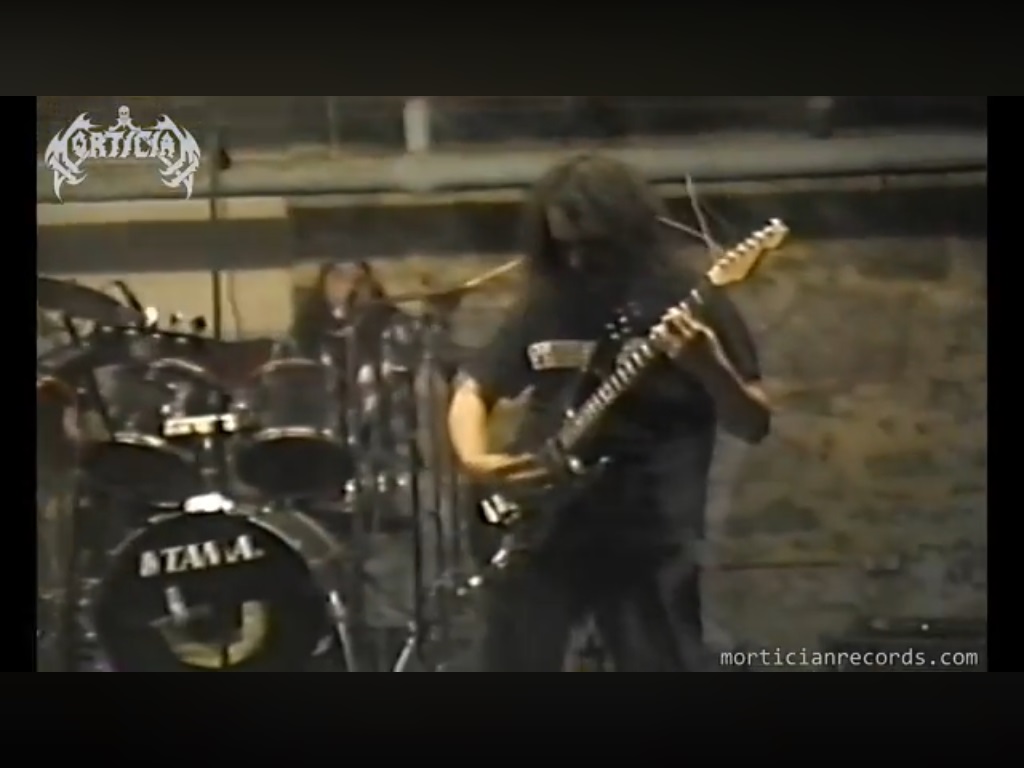 fig. A fig. A
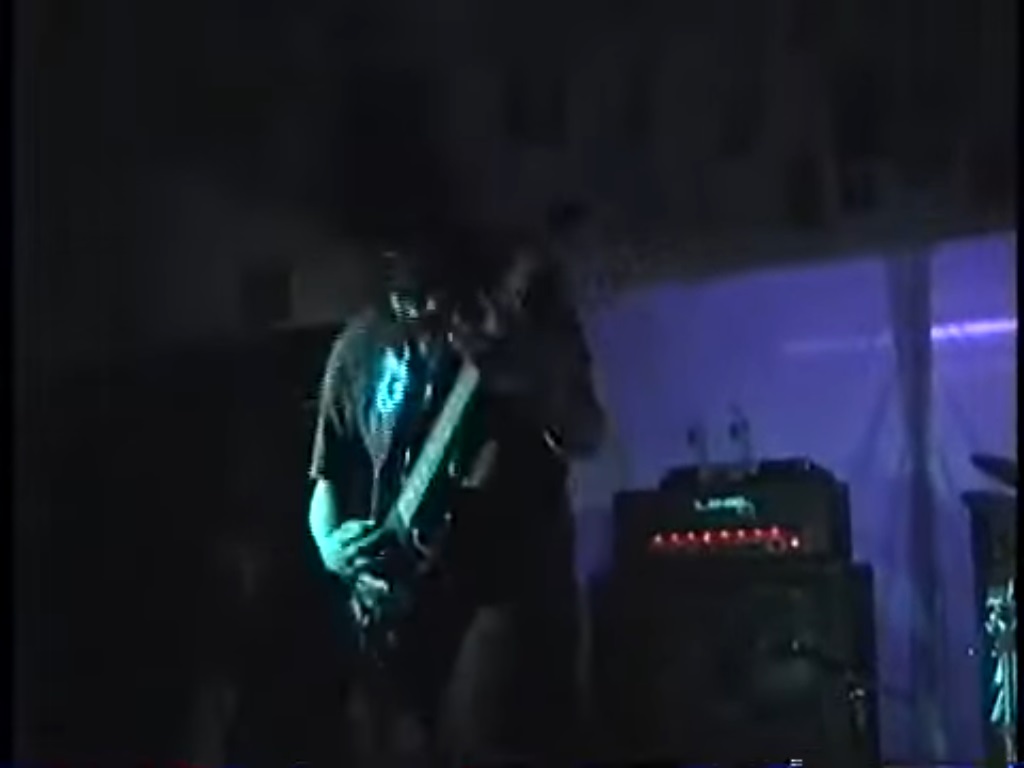 fig. B fig. B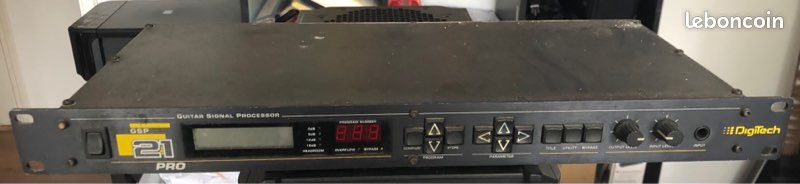
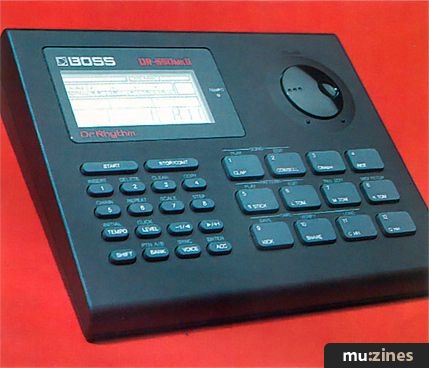 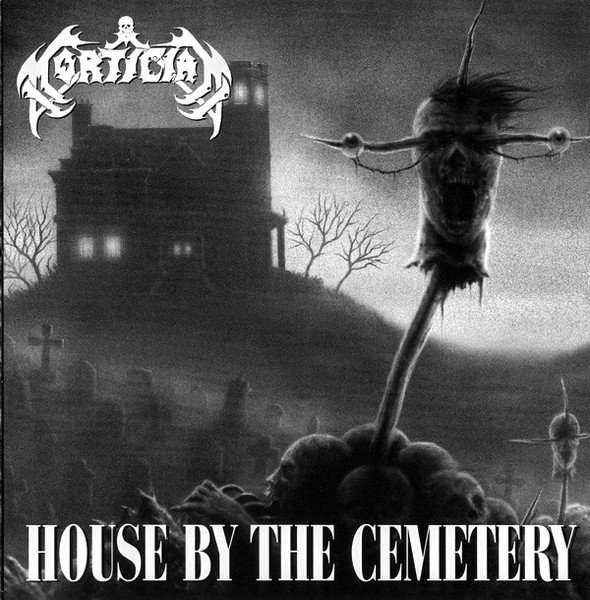
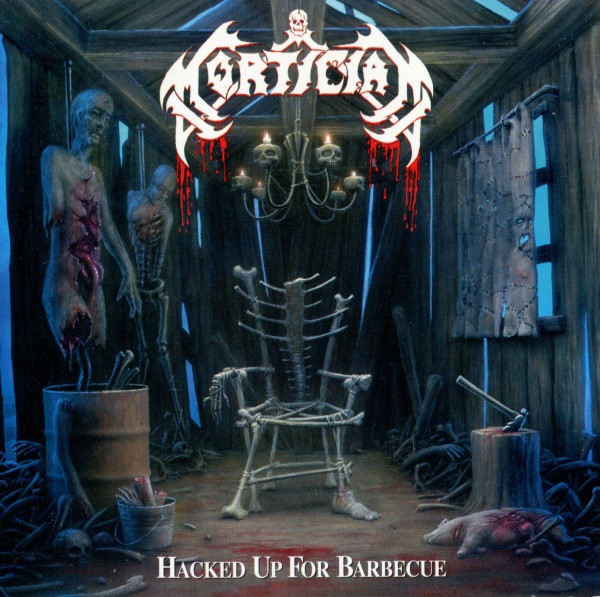
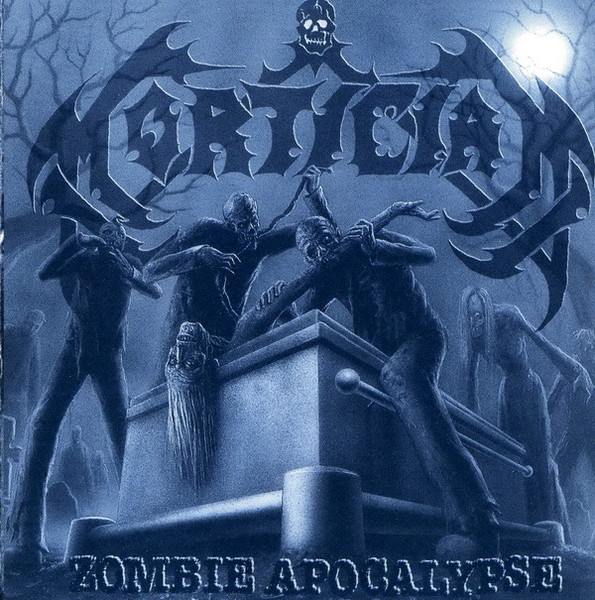
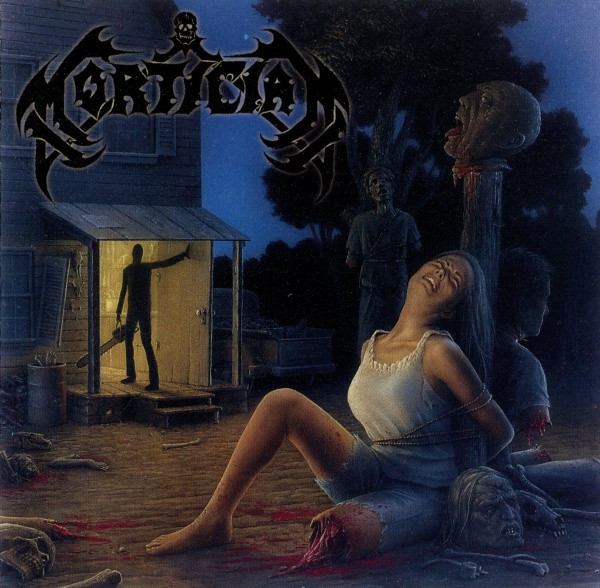
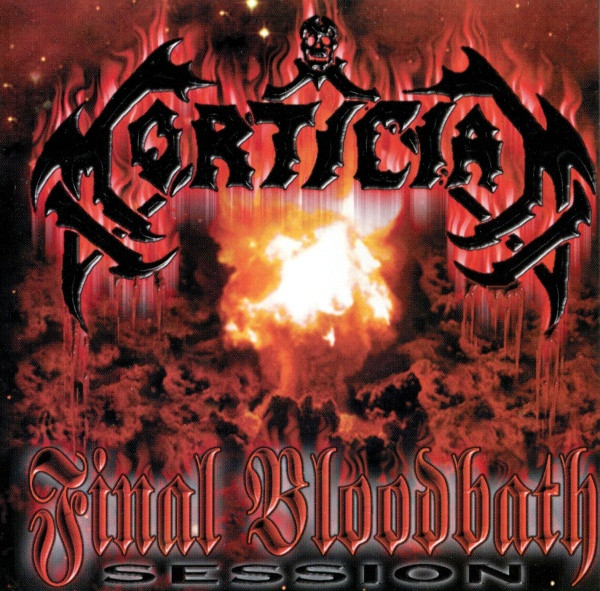
Mortician pictured, 1993 (fig. A), 2001 (fig. B). ; approximation of 'Mortician' guitar tonality / instrumentation.
I discovered Mortician in 2020, around the time I was moving the then-quaint studio setup from the laundry room to the dining
room of the house. Until that point, which was probably April 2020, I had been avoiding checking them out, having been of the
incorrect assumption that they were death-n-roll or something equally preposterous. They are perhaps the most influential band
to me, as its been off of my sustained penchant for the brand of mechanical death metal Mortician purveyed that I've embraced
samplers, instead of continuing to be a freeware-championing utilitarian. While I still see the advantages spacially and
resourcefully of using computers (laptops specifically) for music composition, I no longer uphold it above materials-afforded
comfort.
|
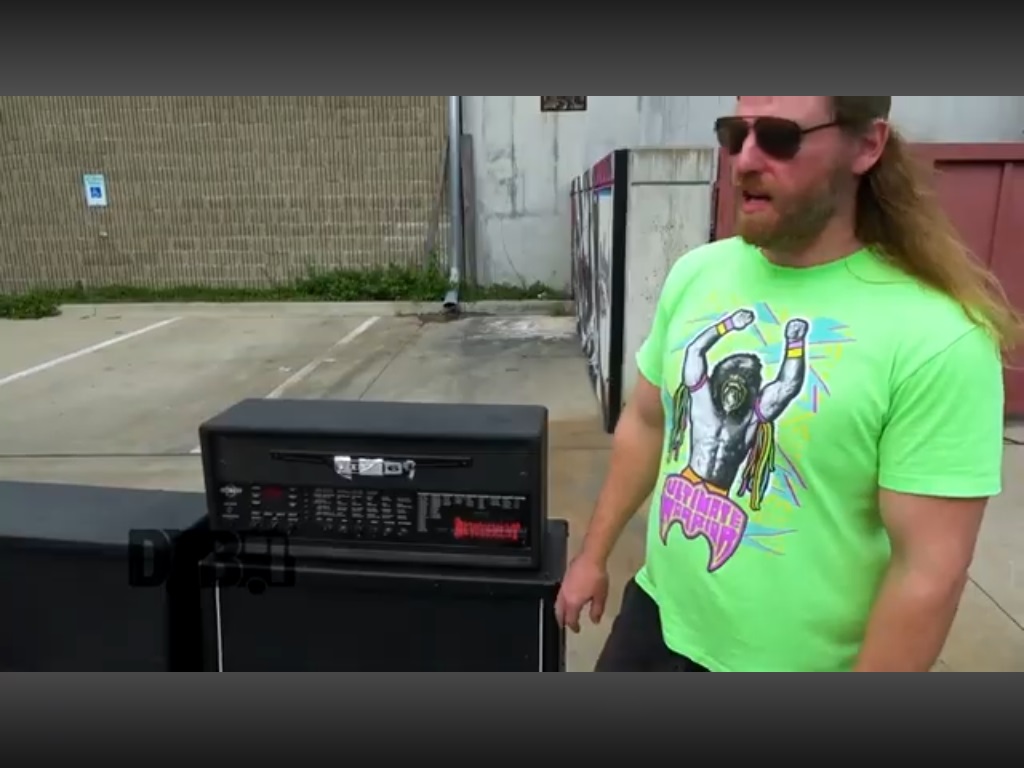 Chris Andrews from Devourment pictured in 2021/2022. Chris Andrews from Devourment pictured in 2021/2022.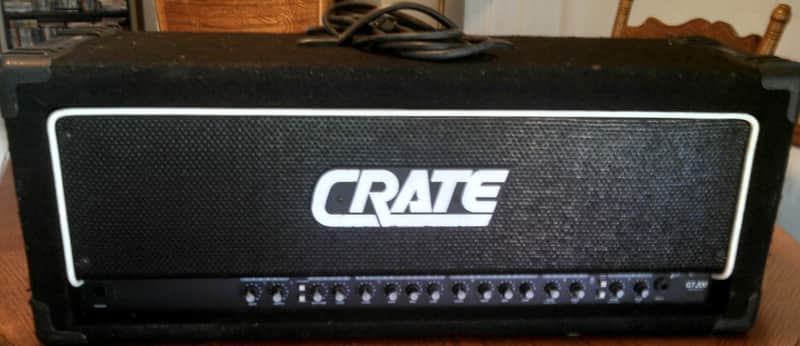
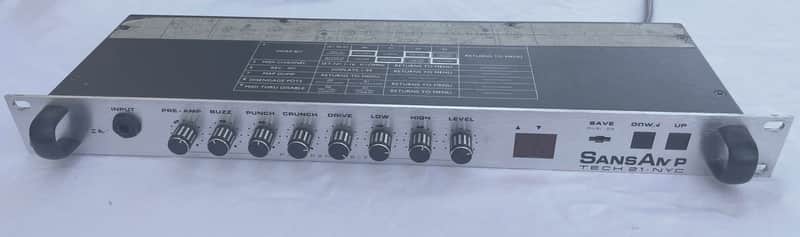
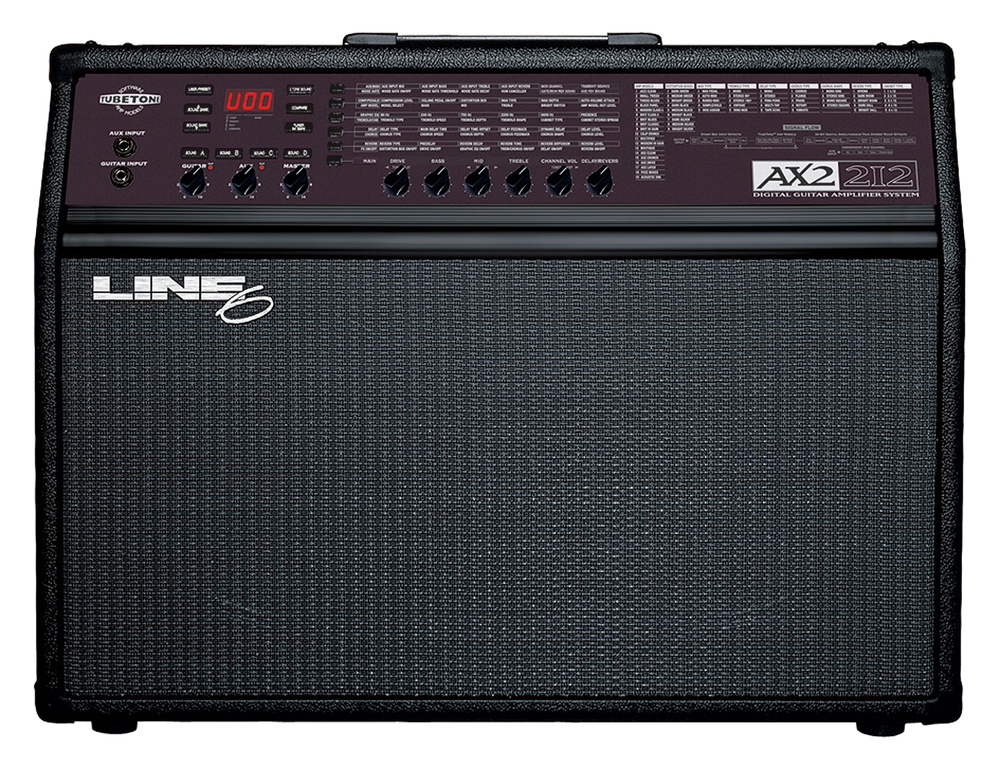 
 ; approximation of 'Devourment' guitar tonality / instrumentation.
Devourment is the quintessential slam band, creating the most brutal driving lunge-pulse downswings conceivable. The tone
is, without intending to sound like I'm recycling vocabulary used naively by others, is uncompromisingly gained-out, with
ample high presence, a suggestion of high mid, absolutely zero middle freq. (that's taken care of by vocals and snare drum),
enough low mid - rivalling what you might be able to correlate to Obituary's fuzzier tones from The End Complete, and lows
where you'd expect a Mortician tone to be; ample. ; approximation of 'Devourment' guitar tonality / instrumentation.
Devourment is the quintessential slam band, creating the most brutal driving lunge-pulse downswings conceivable. The tone
is, without intending to sound like I'm recycling vocabulary used naively by others, is uncompromisingly gained-out, with
ample high presence, a suggestion of high mid, absolutely zero middle freq. (that's taken care of by vocals and snare drum),
enough low mid - rivalling what you might be able to correlate to Obituary's fuzzier tones from The End Complete, and lows
where you'd expect a Mortician tone to be; ample.
|